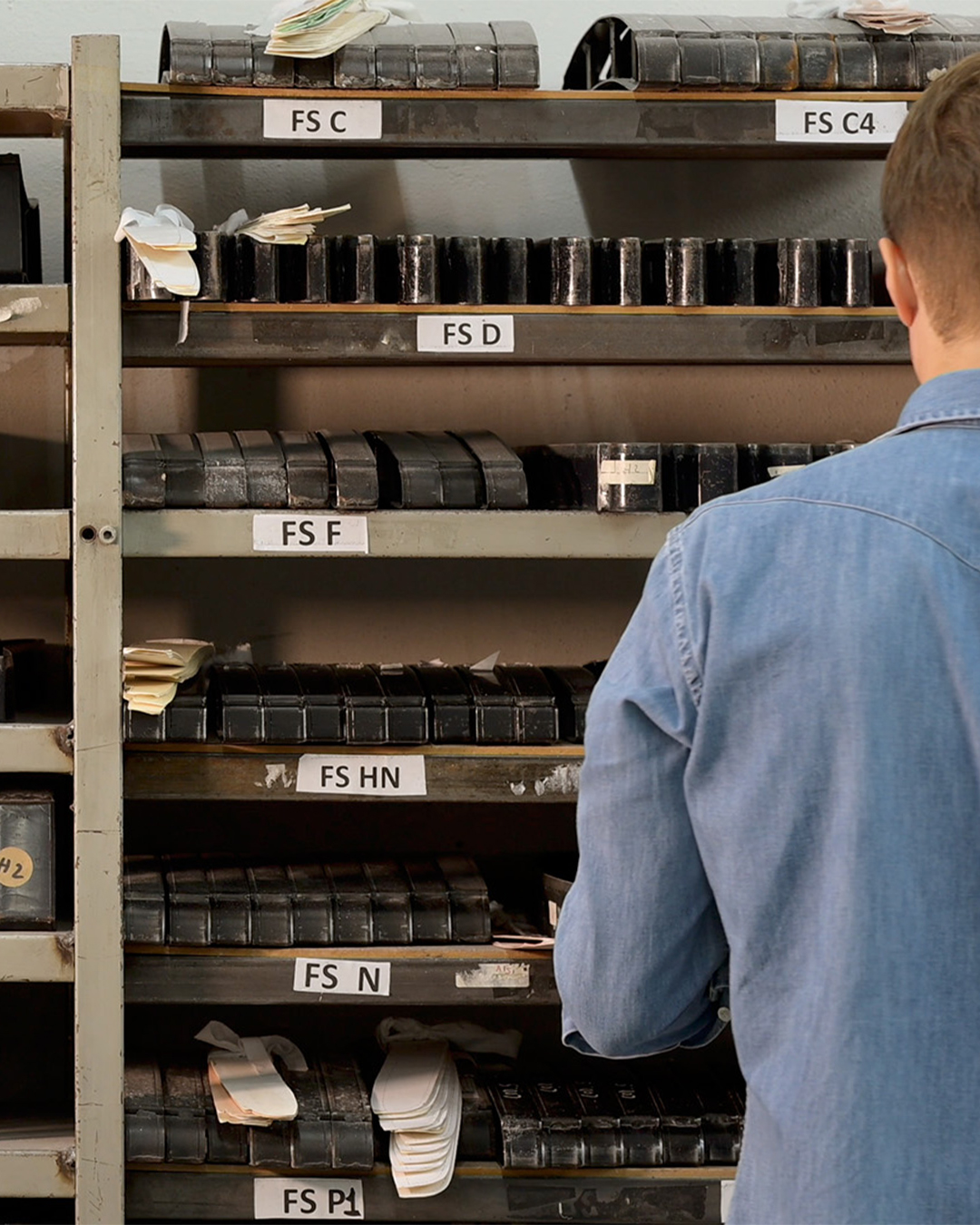
Made in Italy Fashion Production: The Districts Where the Supply Chain is Born
“Made in Italy” is more than a label: it is a cultural, productive, and symbolic identity recognized worldwide. But where does this value truly come from, and why is Italy still at the center of international fashion production?
The secret lies in Italian textile districts, a cohesive supply chain, and the ability to combine craftsmanship, innovation, and strategic vision. This unique combination makes Made in Italy fashion production synonymous with excellence.
Where the Fashion and Luxury Sector is Born in Italy
Italy boasts a deeply rooted production network in specific territories, identified as fashion industrial districts. These are ecosystems where small and medium enterprises collaborate, sharing skills, suppliers, and quality.
Fashion Industrial Districts
Among the most significant:
Biella: home to historic wool mills and high-end wool yarns.
Prato: key hub for carded and regenerated fabrics, with focus on circular economy.
Carpi: heart of women’s knitwear production.
Vicenza and Padua: specialized in leather goods, fashion accessories, and shirts.
Naples and Caserta: districts of artisanal men’s tailoring.
Como: famous for silk and high-quality printed fabrics.
These districts are dynamic: they evolve, collaborate with international luxury fashion brands, and nurture knowledge transfer across the supply chain.
How the Italian Textile Supply Chain Works
The Italian textile supply chain is highly structured. It begins with the selection of fibers—natural (cotton, linen, wool, silk) or technical—and moves through spinning, weaving, dyeing, and finishing.
Each step is managed by specialized companies capable of ensuring:
traceability
certifications
environmental compliance
customization upon client request
Geographical proximity between players allows faster lead times, smooth communication, and consistent quality control. Brands benefit from reliable suppliers capable of adapting to complex demands.
Production and Sartorial Workshops
Sartorial workshops are the operational core of Italian fashion production. They translate creative design into high-end garments.
These workshops integrate multiple skills: pattern-making, prototyping, tailoring, quality control, and logistics. Efficiency means interpreting, advising, and problem-solving, not just executing.
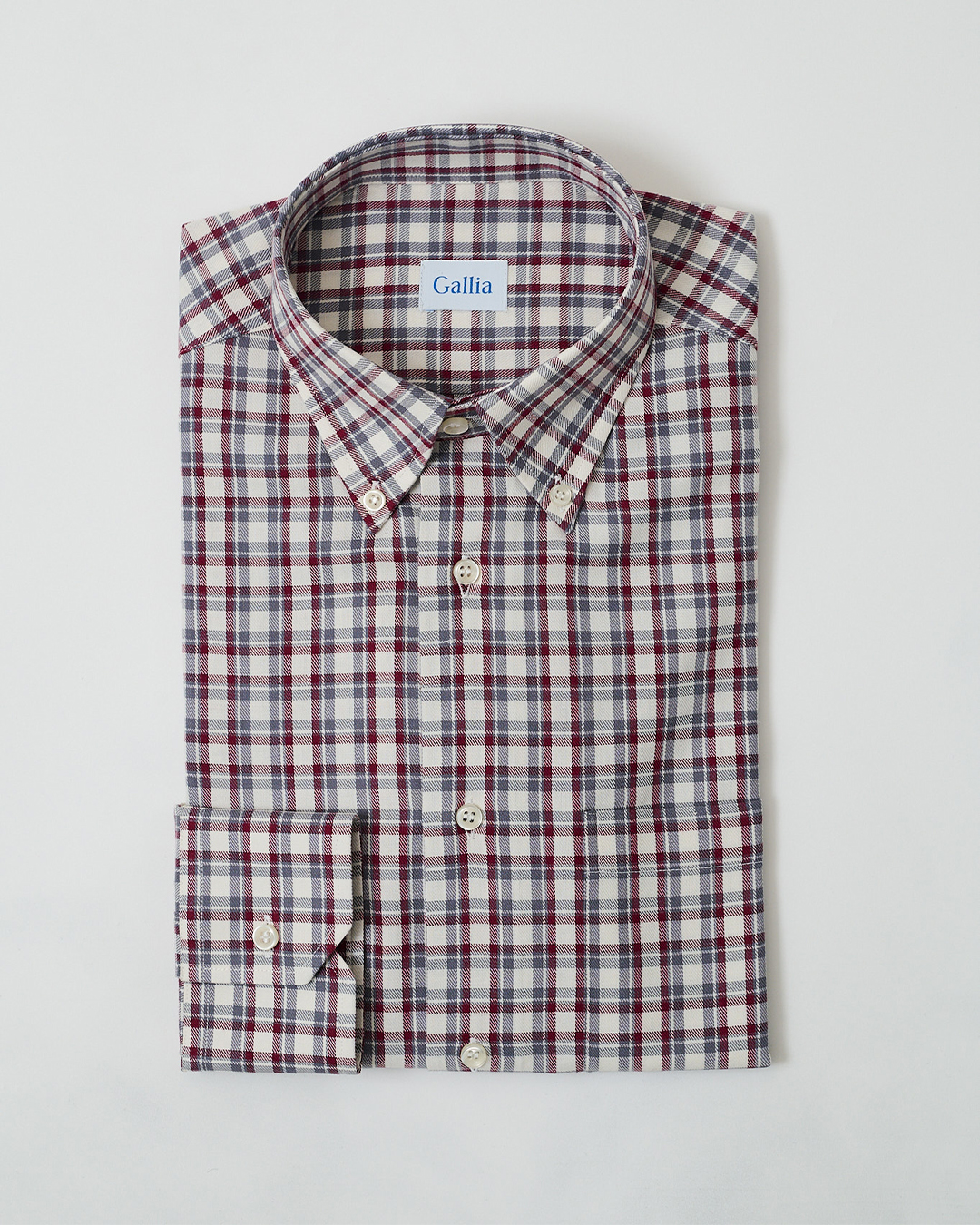
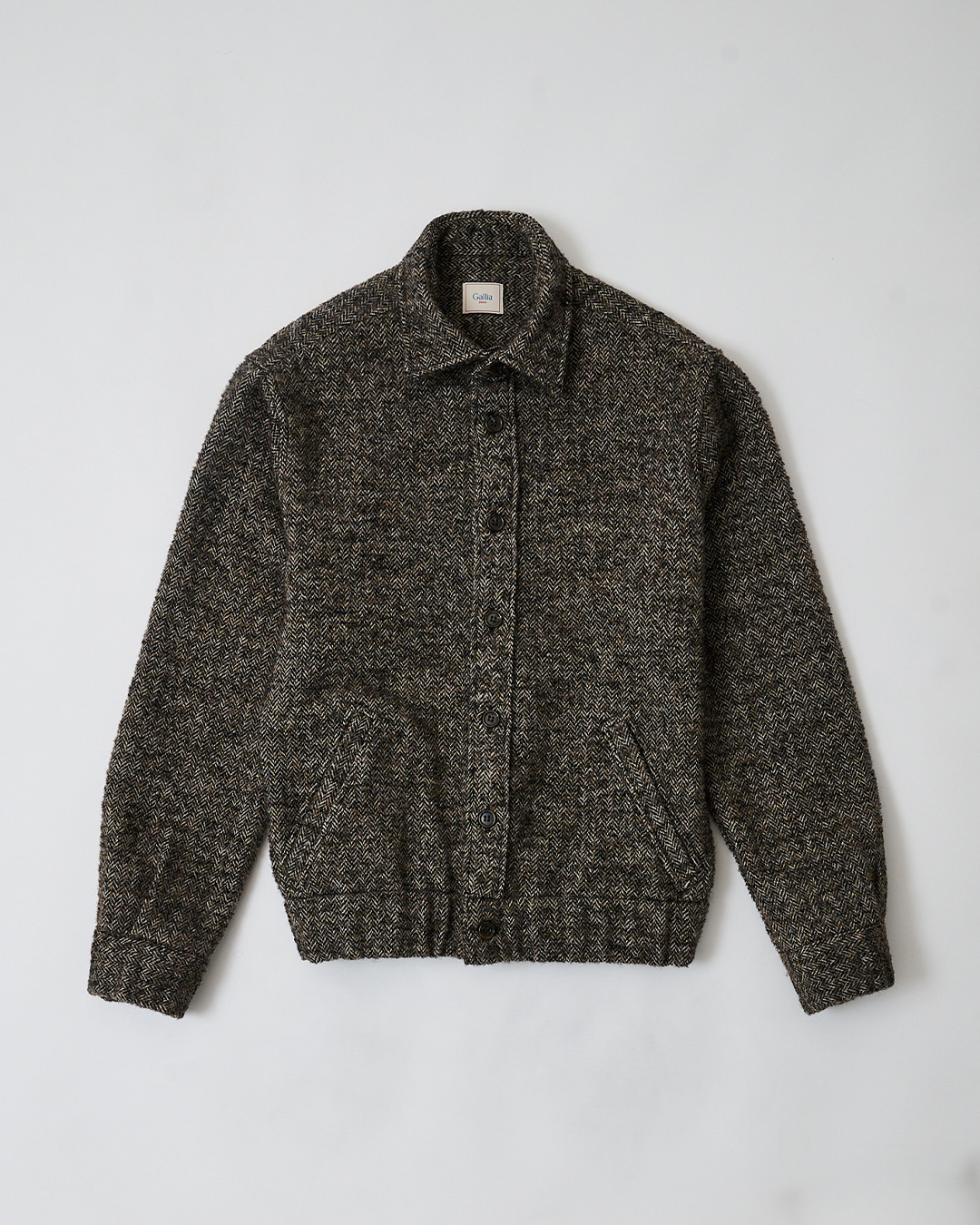
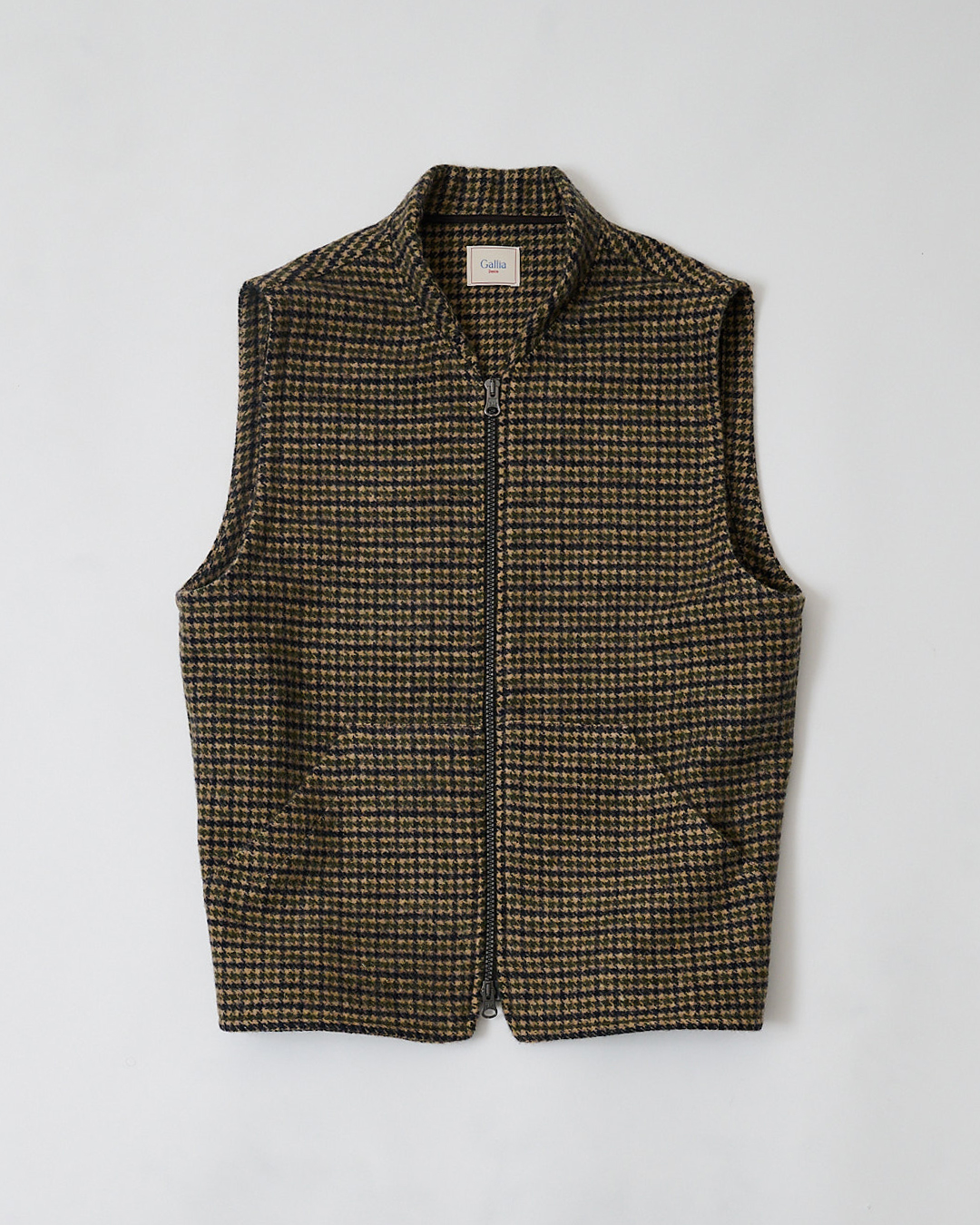
Confezioni Gallia exemplifies this: a structured, flexible workshop capable of managing all phases of third-party sartorial production, from patterns to logistics.
Attention to detail, in-house quality control, and customization allow us to meet the expectations of the most demanding luxury fashion brands. It is not only about aesthetics but also production reliability, operational continuity, and ongoing client collaboration.
One key advantage of Made in Italy fashion production is a short supply chain. Close proximity between suppliers, workshops, and brands allows for quick sourcing with full transparency.
We select certified, specialized suppliers to ensure:
consistent quality
seasonal material availability
custom options upon request
traceability and sustainability
Material selection is crucial: conscious choices impact durability and environmental footprint. Working with Italian mills allows smooth handling of shortages with compatible alternatives, avoiding quality compromises.
Italy: A Leader in Know-How and Skills
Italy’s global leadership in fashion production comes from human capital. Pattern-makers, garment makers, technicians, and artisans ensure quality through expertise and continuous training.
Italian fashion schools, technical academies, and family traditions transmit knowledge that cannot be improvised. This is why Italian luxury fashion districts are sought after worldwide.
Every production stage—from design to prototype, cutting to sewing—requires experienced eyes and skilled hands. Expertise and artisanal sensitivity actively improve the product.
At our sartorial workshop, know-how appears in every detail: choosing the right stitching, managing proportions, and controlling tolerances. Daily challenges demand vertical expertise, ongoing updates, and a global vision.
Italian excellence is an ecosystem where schools, companies, and tradition interact, creating a unique model worldwide.
Digitalization and Industry 4.0 in Fashion
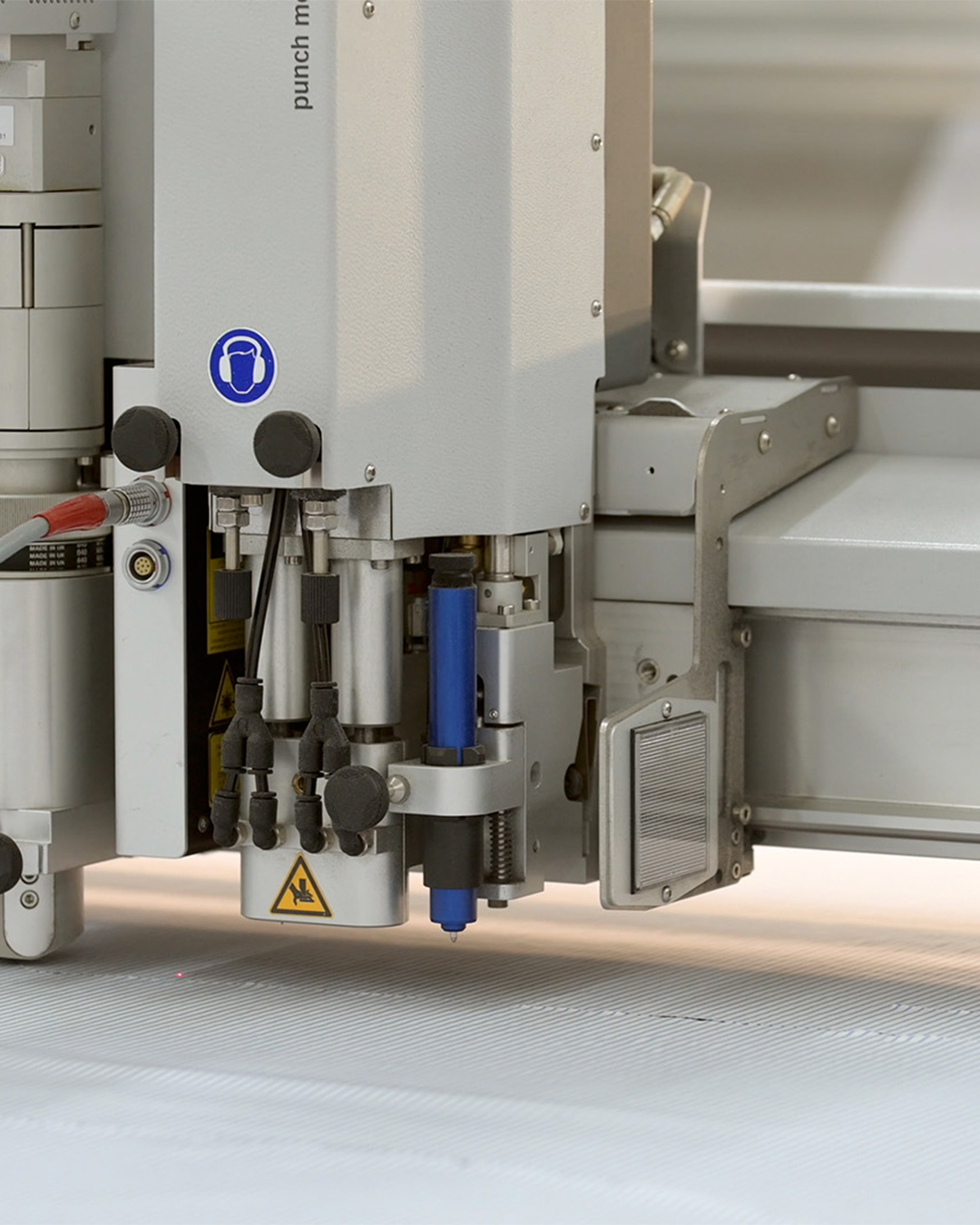
The new frontier of Made in Italy fashion production combines craftsmanship with digital technology. Top workshops invest in pattern-making software, automated machinery, RFID, digital traceability, and predictive production management.
This enables:
reduced time and waste
increased precision
optimized production
supply chain transparency
Industry 4.0 supports artisans rather than replacing them, streamlining repetitive tasks, freeing time for quality control, and improving inter-department communication.
The Future of Italian Fashion Districts: Tradition Meets Innovation
Italian textile districts are evolving, not disappearing. The future of Made in Italy relies on preserving artisanal roots while embracing technological innovation, sustainability, and internationalization.
The challenge: safeguard human and cultural values while offering brands a modern, competitive, and responsive partner.
Those who integrate these elements will gain a real competitive advantage. At Confezioni Gallia, we believe the future of fashion is collective, built on ethical, transparent, and solid partnerships. This is why we invest daily in skills, relational quality, and digitalization.