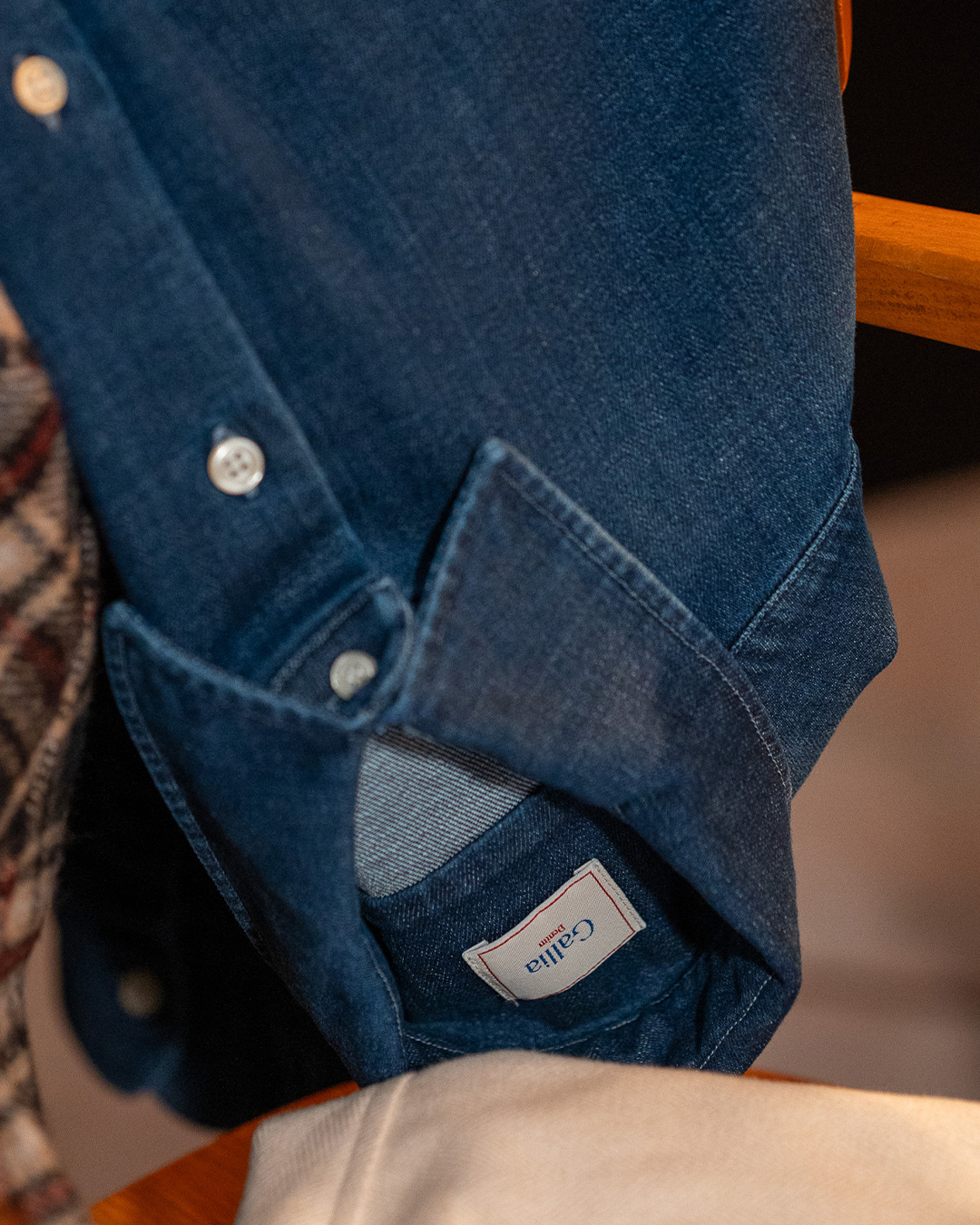
Fabrics for Third-Party Shirts

When it comes to high-quality shirts, style alone isn’t enough. True value starts with the raw material: the fabric.
Choosing the best fabrics for shirts defines a brand’s identity, ensures comfort for the end customer, and guarantees a durable, coherent, and recognizable product.

This guide explores the fabrics most suitable for third-party shirt manufacturing for men and women, examining differences, seasonality, and fabric weights.
A useful starting point for those looking to develop a sartorial collection using carefully selected materials with excellent performance.

Focus on Choosing Shirt Fabrics

Every shirt begins with a fabric, but not all fabrics are created equal!
Important variables include hand-feel, breathability, ease of ironing, durability, and sheen. In addition, fabric weight clearly determines its seasonal suitability.

Below is an overview of the most commonly used fabrics for sartorial shirts, highlighting quality and recommended uses.

Poplin: The Classic Fabric

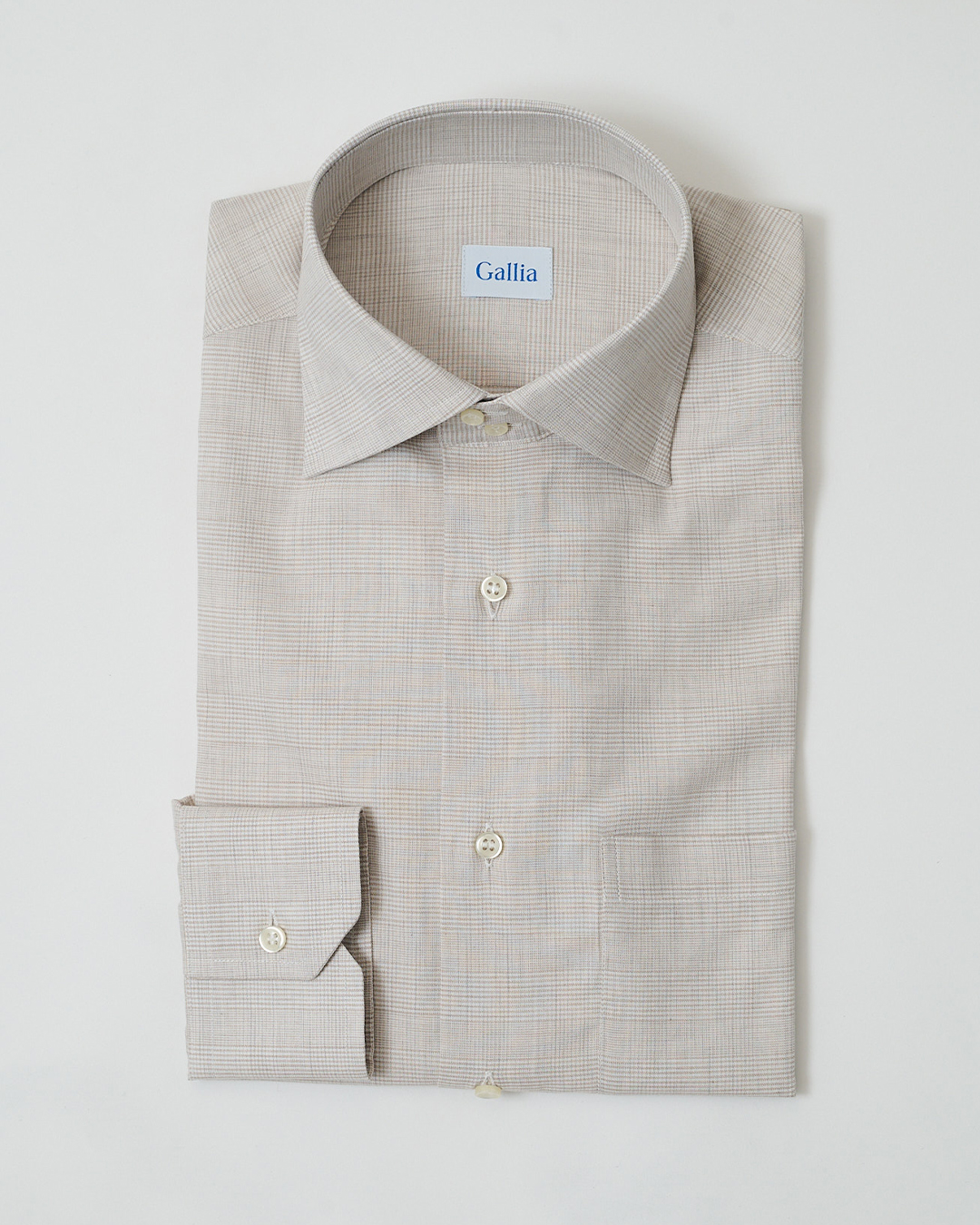
Poplin is the quintessential fabric for men’s and women’s shirts. It features a regular weave of very fine threads, creating a smooth, lightweight, and breathable textile.
Ideal for formal, office, or ceremonial shirts. It irons easily, has a compact hand-feel, and is perfect for warm seasons.

Often used in luxury shirts, it is available in Egyptian cotton, Supima, or organic variations.

Twill: Structure and Durability

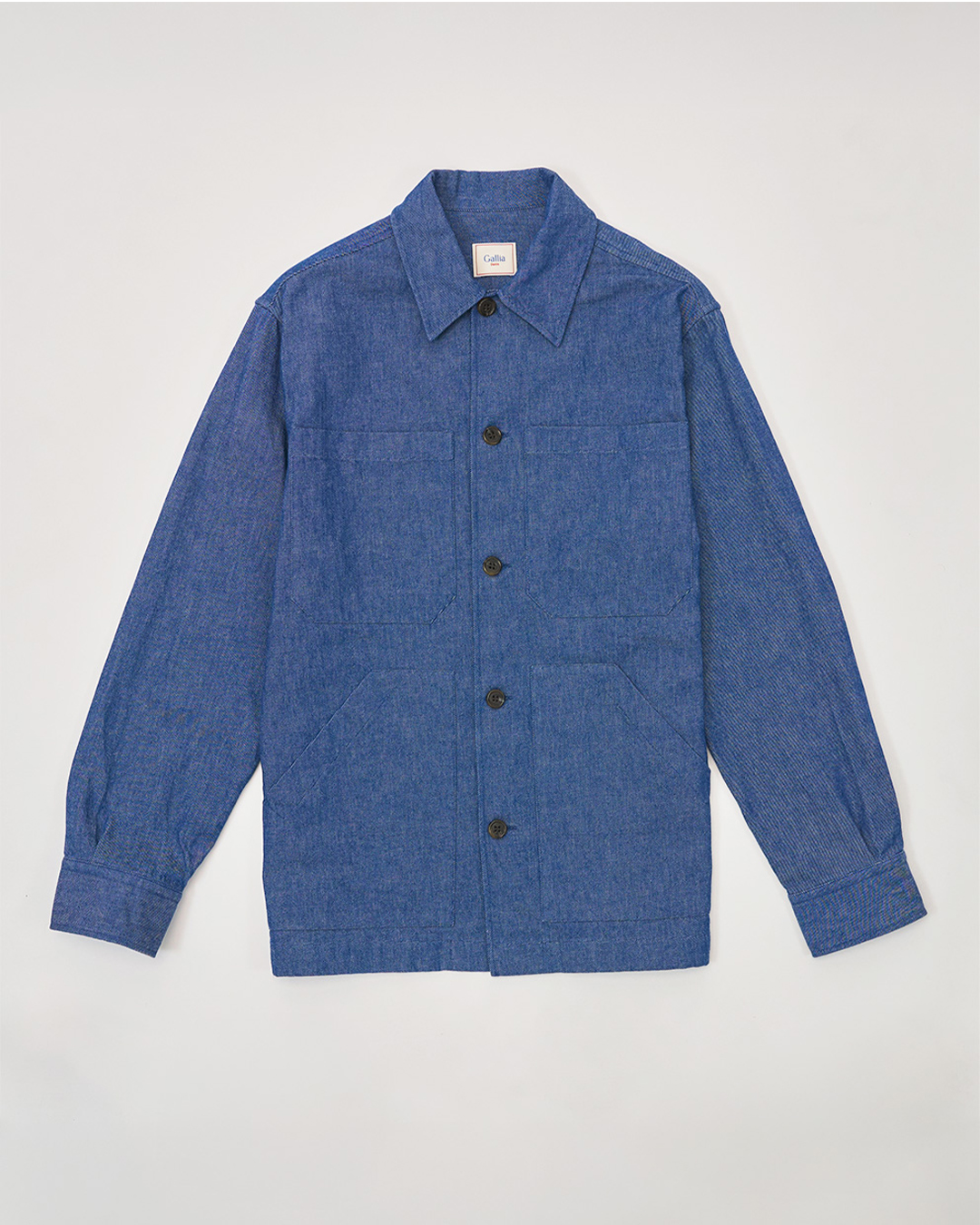
Twill is easily recognized by its diagonal weave. It is a heavier fabric with a soft drape and high durability.
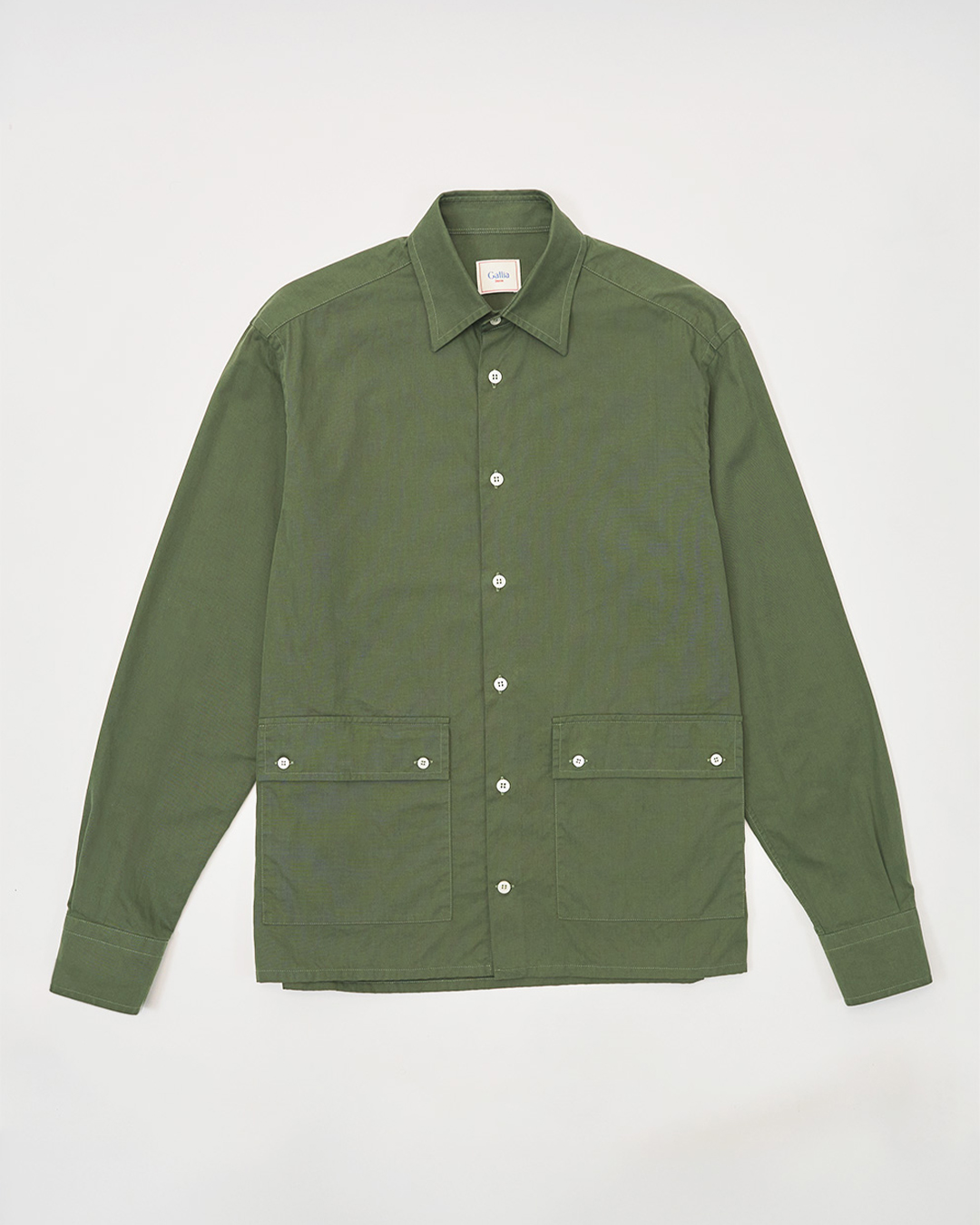
Commonly used in winter shirts, it is ideal for wearing with jackets, blazers, or as an overshirt.

Its robustness makes it a frequent choice for third-party production when brands require garments that are both long-lasting and elegant.

Oxford: Sporty and Versatile

With a visible, slightly textured weave, Oxford is a classic for casual and collegiate-style shirts.
It is a medium-weight fabric that combines comfort with longevity. Perfect for button-down shirts, weekend styles, or smart casual collections.

Luxury versions use long-staple combed yarns for a finer texture.

Voile and Batiste: Summer Fabrics

When “lightweight” is the keyword, voile and batiste come into play.
These fabrics are thin and almost ethereal, requiring expert sartorial techniques to maintain shape and strength.

Ideal for women’s shirts, summer capsules, or resort collections.
At Gallia, we work them with special attention to shoulder and seam construction, ensuring balance and durability even at low fabric weights.

Flannel: Warm and Comfortable

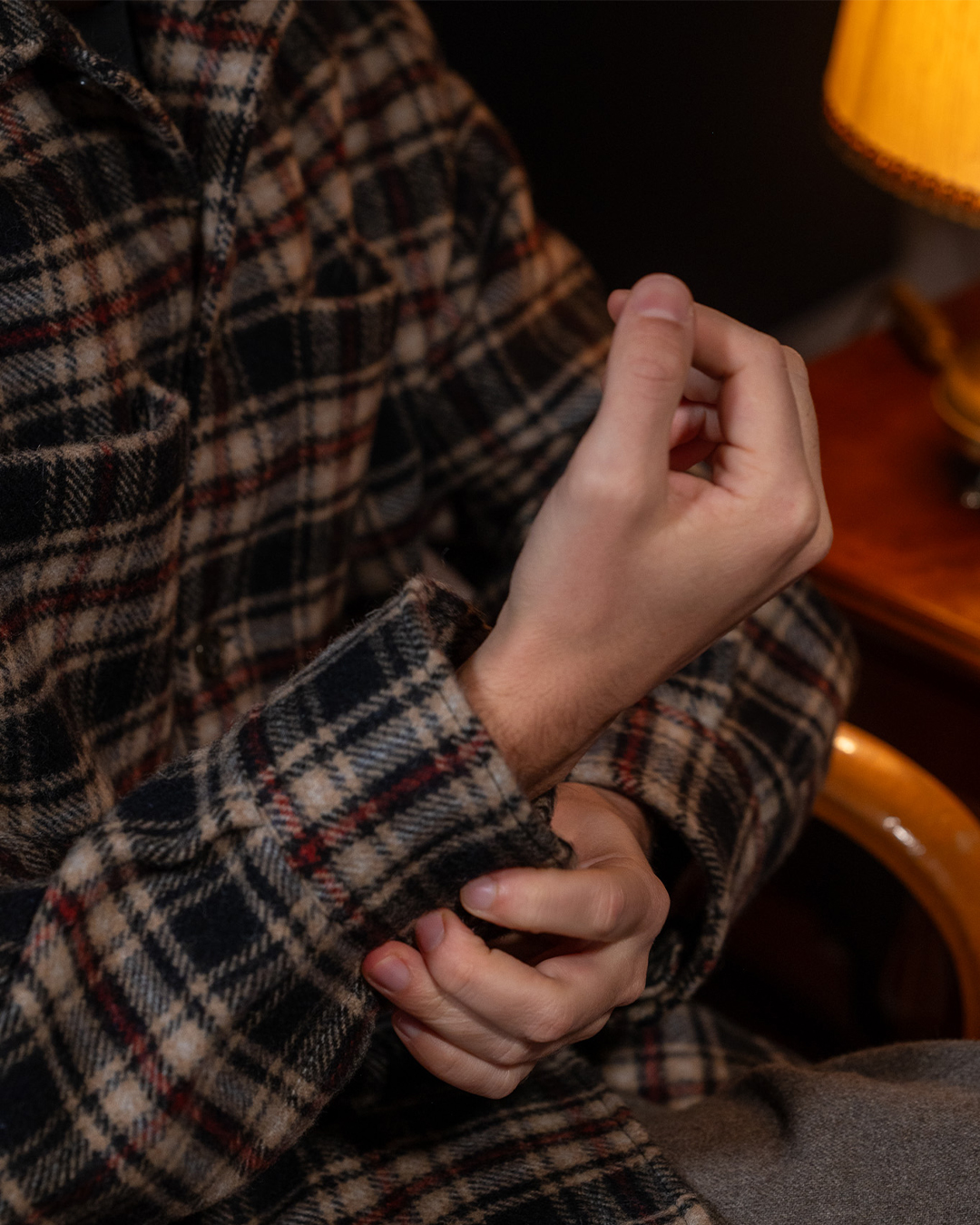
Cotton flannel is one of the most beloved fabrics for winter shirts. Brushed, compact, and warm.
Suitable for oversized models, pocketed shirts, or layering pieces.
A refined choice for brands seeking a relaxed aesthetic without compromising quality. It requires careful construction to avoid wrinkles or stiff seams.

Other Premium Fabrics

For luxury collections, many brands select high-end yarns: Giza cotton, Sea Island cotton, silk blends, certified linen.
These options provide sheen, soft hand-feel, longevity, and breathability but must always be tested on patterns to ensure proper performance.


How to Choose the Right Fabric

There is no single “right” fabric—it depends on the goal.
Third-party manufacturers must listen to the brand and suggest materials in line with:

  • target audience and positioning

  • season

  • fit type

  • color palette

  • required performance (easy care, odor resistance, thermal comfort)

In our Sartorial Workshop, we help clients test different materials on the same pattern to find the optimal balance of aesthetics and functionality.

Natural vs. Blended Fabrics

Most sartorial shirts are made from natural fabrics: cotton, linen, silk.

However, blended fabrics are gaining popularity for their performance (wrinkle resistance, elasticity, durability).
These mixed materials (e.g., cotton + elastane or recycled polyester) enhance technical features without sacrificing comfort.

Brands choosing a third-party workshop must carefully evaluate:

  • fabric type relative to processing

  • compatibility with the desired fit

  • end-customer expectations

  • brand positioning coherence

Where to Source the Best Fabrics

A reliable third-party manufacturer must have a network of certified, trustworthy suppliers.
At Gallia, we only work with selected Italian producers, ensuring:

  • consistent quality

  • available stock

  • traceability

  • environmental and social certifications

We can also work with client-supplied fabrics or suggest alternatives to achieve the desired effect while optimizing costs and production results.

How to Enhance Fabric Quality in Shirts

Fabric quality only shines if the production process is up to standard.
Even the finest Egyptian cotton, premium linen, or compact twill can fail if not treated with proper sartorial techniques.

In our sartorial production process, every step is designed to respect and enhance the fabric’s technical and expressive qualities:

  • Custom tailoring techniques adapted to the fabric’s weight and hand-feel to prevent stress or deformation

  • Strong yet invisible seams for durability without adding bulk

  • Internally constructed collars, cuffs, and shoulder pieces to maintain shape and consistency over time, even after multiple washes

  • Hand-finishing to highlight the drop, fit, and overall aesthetics

  • Protective packaging to safeguard the shirt until it reaches retail

Enhancing a fabric is also about understanding its language, identifying limitations, and interpreting it in line with the design.

It’s also about listening: constant dialogue with the client ensures their vision is translated into a coherent, precise garment that respects materials, fit, and target audience.
At Gallia, quality is built daily through mindful gestures and a sartorial approach that centers the fabric and the wearer.

Choosing the right fabrics for men’s or women’s shirts is the first step toward a coherent, marketable, and memorable collection.
It also requires careful, sartorial production that interprets the material in the most effective way.

At Gallia, we bring over 60 years of experience, a fully traceable Italian supply chain, and a skilled sartorial team ready to meet any requirement.