Summer vs Winter Production: How to Plan Seasonal Fashion Cycles
The distinction between summer and winter production is one of the most critical variables in fashion manufacturing. Each seasonal collection requires different timelines, materials and production structures. Understanding these dynamics is essential for brands aiming to plan their collections efficiently, reduce risks and optimize resources.
In today’s fashion system, seasonal planning goes far beyond the creative calendar. It involves the entire supply chain: product development, material sourcing, prototyping, industrialization and final production. The difference between a Spring/Summer and a Fall/Winter collection is not merely stylistic. Production volumes, development timelines, fabric characteristics and technical complexity all vary significantly.
For companies operating in contract manufacturing, such as Confezioni Gallia, the ability to manage these variables is essential. Properly planning summer and winter collections means ensuring consistency, precision and stability throughout the entire production cycle. It’s not just about meeting fashion calendar deadlines, but about building an operational system capable of adapting to the seasonal rhythm of the industry.
The Fashion Calendar: When to Produce What
In fashion, production timelines anticipate the actual seasons by several months. The garments we see in stores during summer are designed and developed well in advance, while winter collections begin their production cycle during the preceding seasons.
This lead time is necessary to coordinate every stage of the supply chain. Seasonal planning in fashion typically includes:
material research and sourcing
model development and pattern making
sampling and prototype revisions
industrialization
full-scale production
Maintaining this pace requires a well-structured and coordinated production system. Industrial efficiency becomes a key factor in managing collection timelines and meeting commercial deadlines.
In this context, collaboration between brands and manufacturing partners is strategic. Only through a structured and transparent process can companies effectively manage seasonal production timelines and ensure a consistent market presence.
The four commercial seasons in fashion
Although fashion is often divided into two main seasons, the contemporary market operates across four distinct commercial cycles.
The primary collections remain:
Spring/Summer
Fall/Winter
However, two additional cycles have become increasingly important:
Resort or Cruise
Pre-Fall
These intermediate collections allow brands to maintain a continuous presence on the market and distribute production volumes more evenly throughout the year.
From a manufacturing perspective, this structure requires even more precise planning. Companies must handle shorter production cycles while maintaining high quality standards.
Managing seasonal production is therefore not just about making garments. It’s about orchestrating a complex calendar that integrates creativity, logistics and production capacity.
Spring/Summer Production Timeline
The production of a Spring/Summer collection follows a relatively structured timeline within the fashion industry. While specific schedules may vary by brand, the overall process remains consistent.
It begins with research and development. During this phase, seasonal materials are selected, models are defined and the first collection concepts are developed.
Next comes the sampling phase. This is where pattern making and prototyping play a central role. Increasingly, brands are integrating digital tools into this stage. Technologies such as 3D prototyping allow teams to evaluate garments before physical production, improving decision-making and reducing development time.
Once the final sample is approved, the project moves into industrialization. At this stage, all technical parameters are defined: technical sheets, fabric layouts, cutting processes and production line organization.
This is where cutting and garment construction become crucial to ensuring consistency and precision across the entire production.
Only after these steps does full-scale production begin, aligned with the delivery deadlines set by the commercial calendar.
Materials and Fabrics: Summer vs Winter
One of the most evident differences between summer and winter production lies in the choice of materials. Seasonal fabrics directly impact garment construction, manufacturing techniques and overall production management.
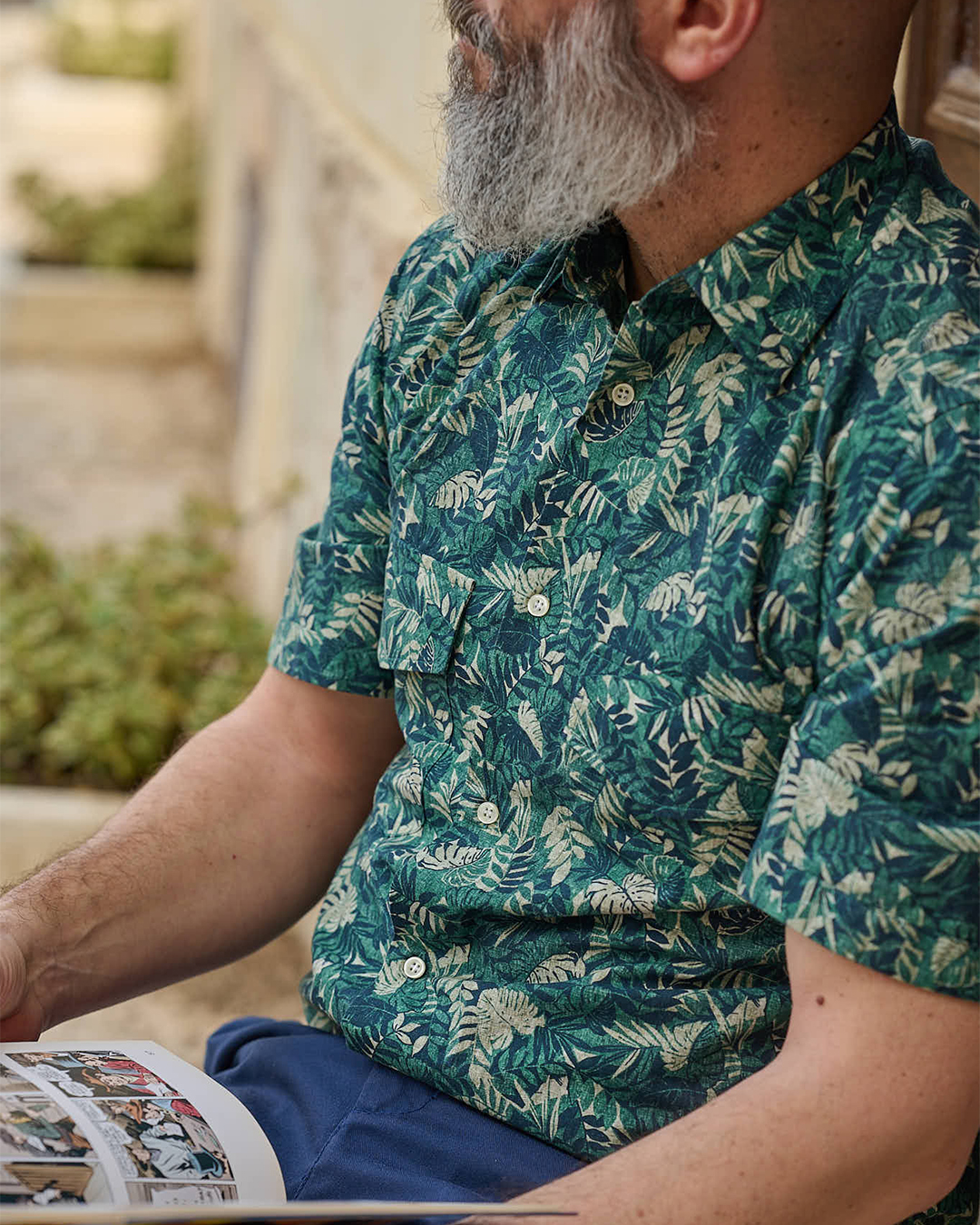
Summer collections typically rely on lighter, breathable fabrics such as cotton, linen and fine natural fibers. These materials require a high level of precision during manufacturing, as their lightness makes even the smallest imperfections more visible.
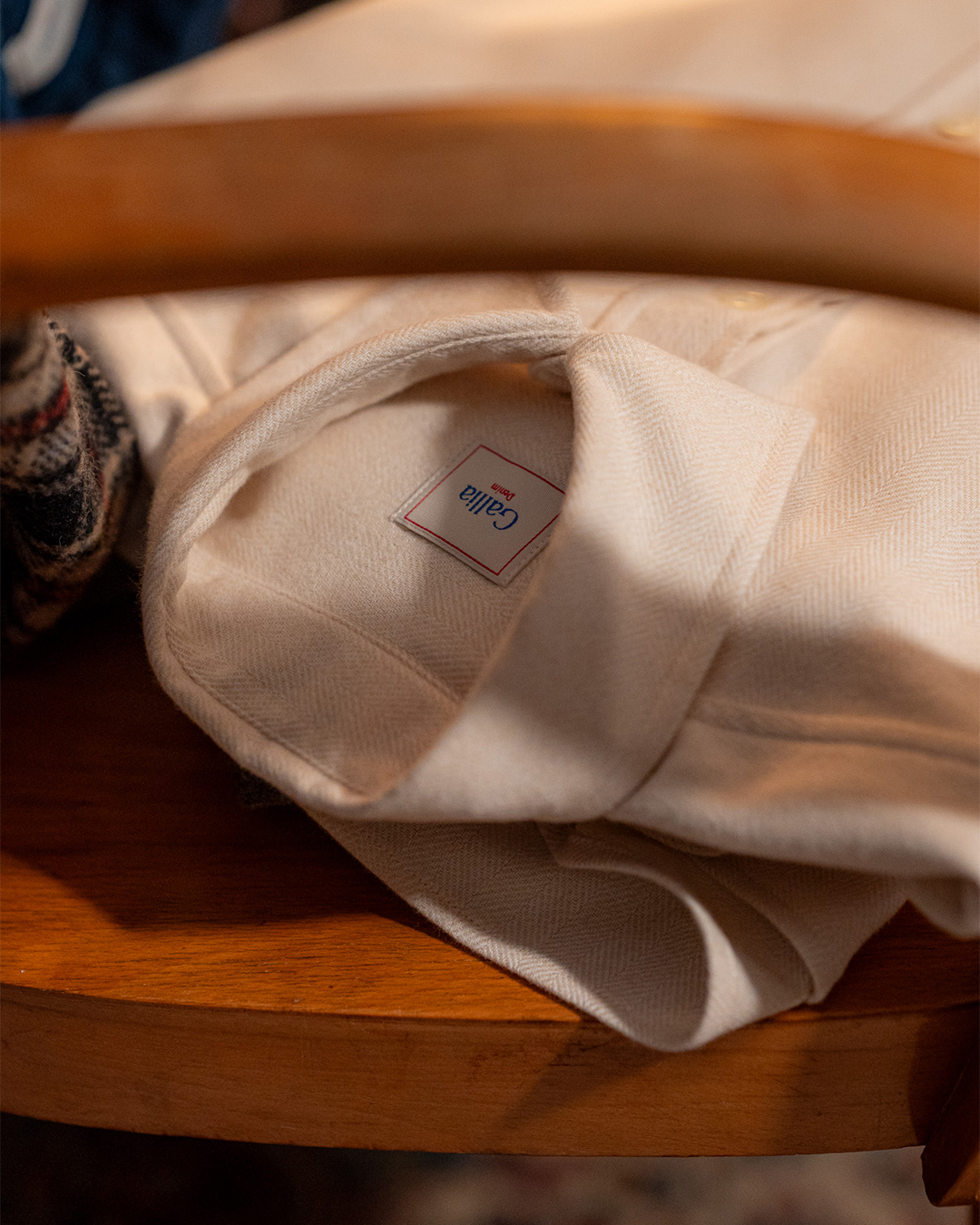
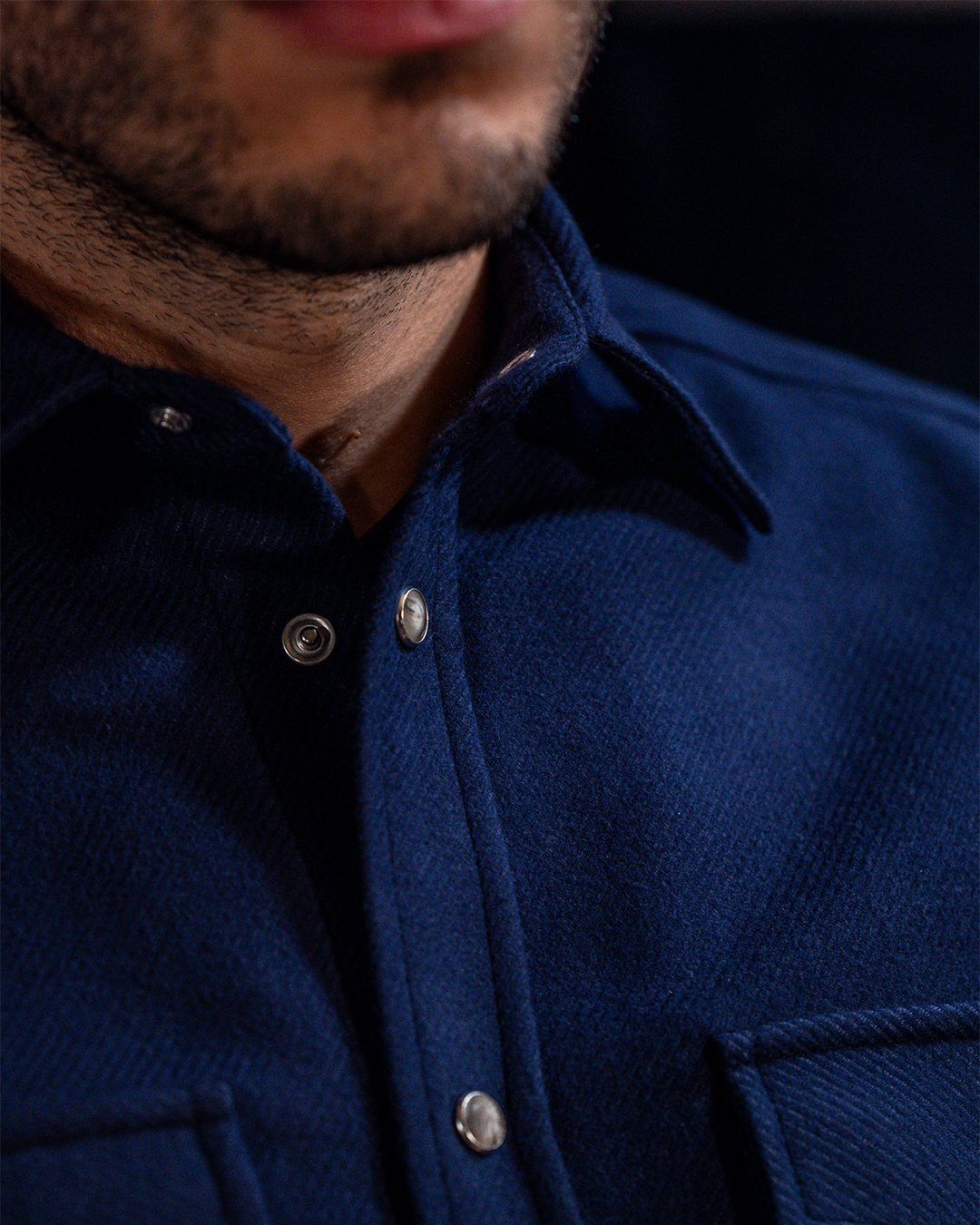
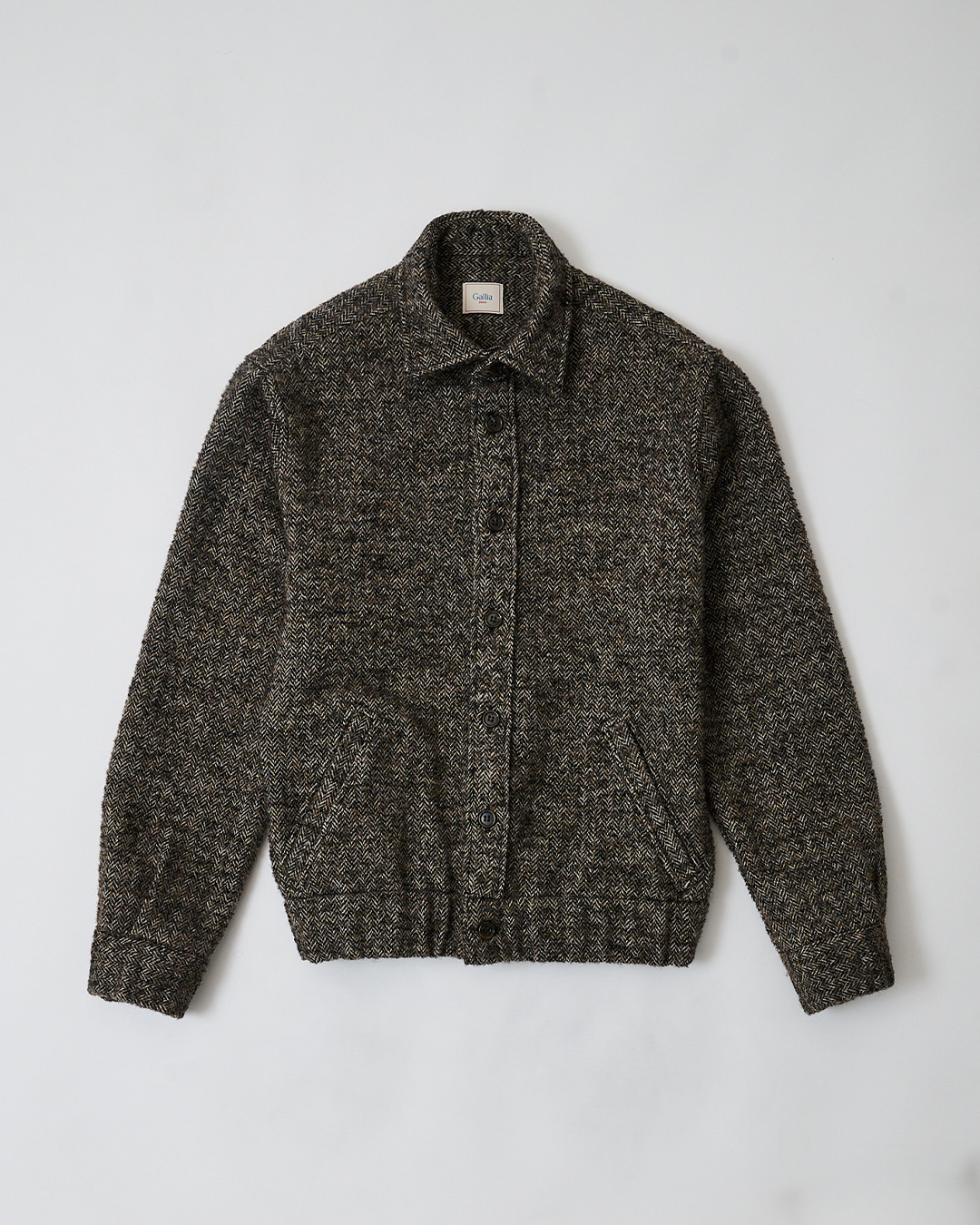
Winter collections, on the other hand, introduce more structured and heavier materials such as wool, flannel, technical fabrics and blended fibers. These fabrics demand a more complex construction process, often involving internal reinforcements, defined structures and different manufacturing techniques.
Material selection therefore influences the entire production chain. It is not only a matter of aesthetics, but also a key factor in the industrialization of the garment.
For brands operating in the premium and luxury segments, fabric selection becomes a strategic step. To explore this topic further, it is useful to refer to dedicated resources on fabrics for shirt manufacturing and tailored garments.
At the same time, the heritage of Made in Italy textiles continues to stand as an international benchmark for quality, manufacturing expertise and supply chain reliability.
Seasonal Garment Production in Contract Manufacturing
For brands working with external manufacturing partners, managing seasonal production requires continuous alignment between design and production. Seasonal garment manufacturing under contract must adapt to the specific needs of each collection.
A manufacturing partner must be able to handle:
variations in seasonal materials
fluctuations in production volumes
different timelines across collections
consistently high quality standards
Contract manufacturing is therefore not limited to technical execution. It requires strong organizational capabilities to balance industrial efficiency with artisanal quality.
In this context, the choice of production model becomes increasingly important. In recent years, the debate between slow fashion and fast fashion has highlighted the need for more conscious and structured production planning.
A well-organized production approach helps reduce waste, improve product quality and ensure long-term consistency.
Ultimately, effective seasonal production management is not just about making garments. It is about building a reliable production system capable of supporting brands across every stage of their collections.