History of the Men’s Shirt: From Undergarment to Style Icon

The men’s shirt is today one of the most recognizable and versatile pieces in a man’s wardrobe. We wear it every day, often without a second thought, yet behind its apparent simplicity lies a long and complex history, deeply connected to the evolution of society, work and the very concept of elegance.

Originally conceived as a functional garment worn directly against the skin, the men’s shirt has evolved across centuries, transforming alongside the man who wore it. From undergarment to symbol of status, from daily uniform to instrument of personal expression, the shirt has continuously adapted without ever losing its identity. Even today, it represents a rare balance between form and function, rigor and freedom, tradition and contemporaneity.

Understanding the history of the shirt means understanding how craftsmanship, manufacturing and industry have interacted over time, giving life to one of the most enduring and meaningful garments in menswear.

It is no coincidence that the shirt has moved through eras, styles and social transformations without ever disappearing. Its strength lies in its ability to adapt to different contexts while maintaining a recognizable structure. It accompanies men in everyday life as well as in formal settings, interpreting different roles without losing coherence.

This continuity makes the men’s shirt a privileged lens through which to observe the evolution of masculine taste, production techniques and the relationship between clothing and personal identity.

The Shirt as a Language of Masculine Identity

The men’s shirt has never been a neutral garment. Over time, it has become a visual language capable of communicating who the wearer is even before words are spoken. Collars, fabrics, fit and construction details have always served as indicators of social, professional and cultural belonging.

In the twentieth century, with the rise of office work and new models of elegance, the men’s shirt became a tool of personal affirmation. Formal rigidity gradually gave way to more fluid interpretations, in which the shirt adapted to different lifestyles without losing authority.

Even today, choosing a bespoke shirt or one produced according to sartorial standards means making a statement of identity. The strength of the shirt lies in its ability to evolve with time and people, while preserving a clear function and recognizable structure.

History of the Men’s Shirt

The origins of the men’s shirt trace back to antiquity. In ancient Greece and Rome, similar garments existed in the form of simple tunics made from natural fibers, designed to protect the body and absorb perspiration. At this stage, the shirt was invisible, an intimate and essential garment.

Throughout the Middle Ages, it retained this functional role. It was during the Renaissance that it began to emerge visibly, with more elaborate collars and sleeves, becoming a marker of social distinction. Between the seventeenth and eighteenth centuries, the men’s shirt took on increasing symbolic value.

With the nineteenth century and the Industrial Revolution, the men’s shirt definitively entered the modern wardrobe. It became simpler, more structured, white, rigorous and functional. For a deeper exploration, you may refer to our dedicated article on the history of the shirt.

The Veneto District: Industrializing Excellence

In the twentieth century, the history of the men’s shirt became closely intertwined with that of Italy’s manufacturing districts. The Veneto District emerged as one of the most important hubs for high-quality shirt production, thanks to the meeting point between Italian craftsmanship and industrial organization.

Here, shirt making evolved structurally. Family workshops expanded, invested in technology and refined processes, while preserving a strong sartorial identity. A production model emerged that made craftsmanship quality replicable without diminishing its value.

This system laid the foundations for modern third-party shirt manufacturing, which remains a reference point for international brands today.

The Made in Italy Shirt Today

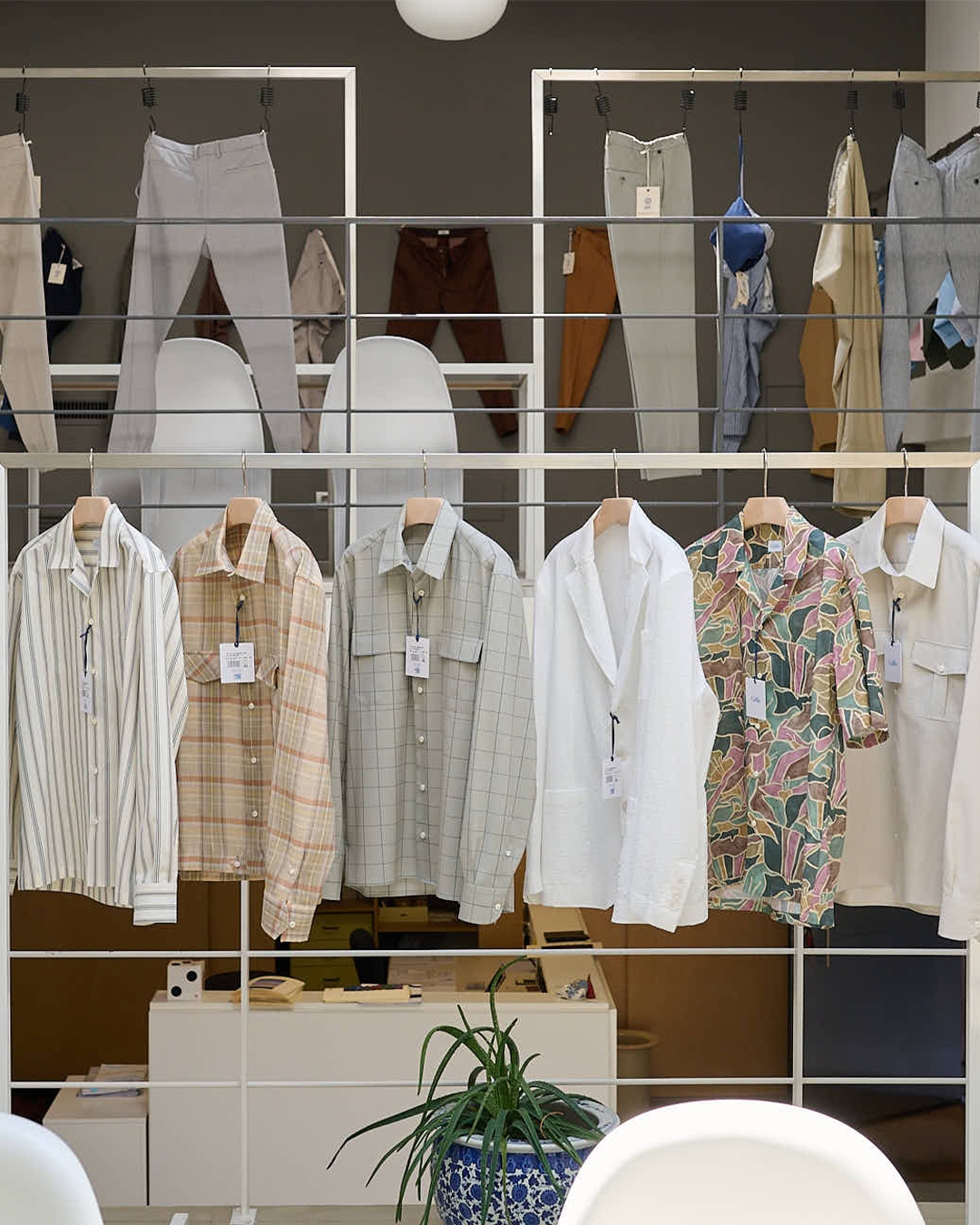
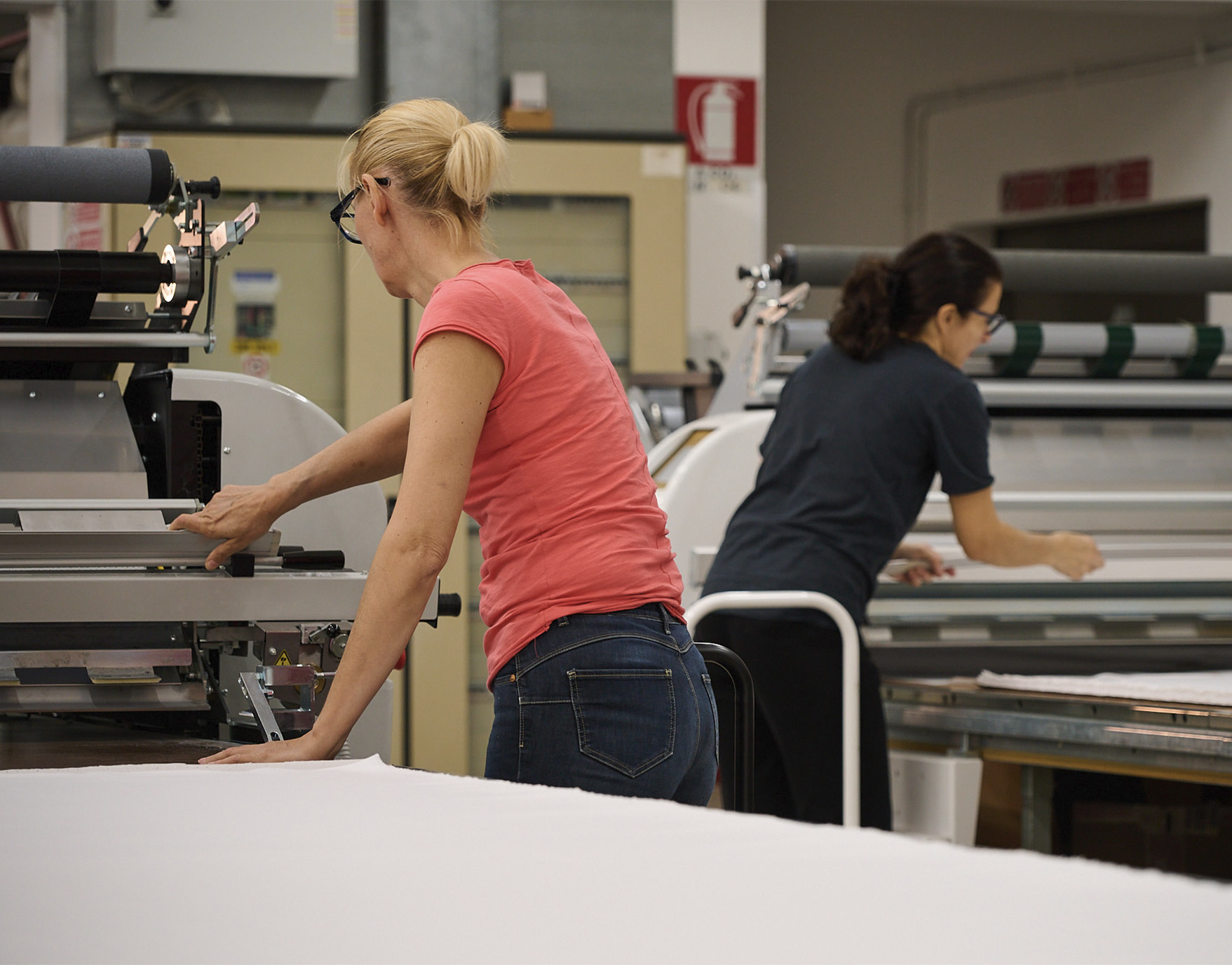
Today, the Made in Italy men’s shirt represents a mature balance between aesthetics, comfort and functionality. It is the result of a structured supply chain that begins with fabric selection and ends with final construction.

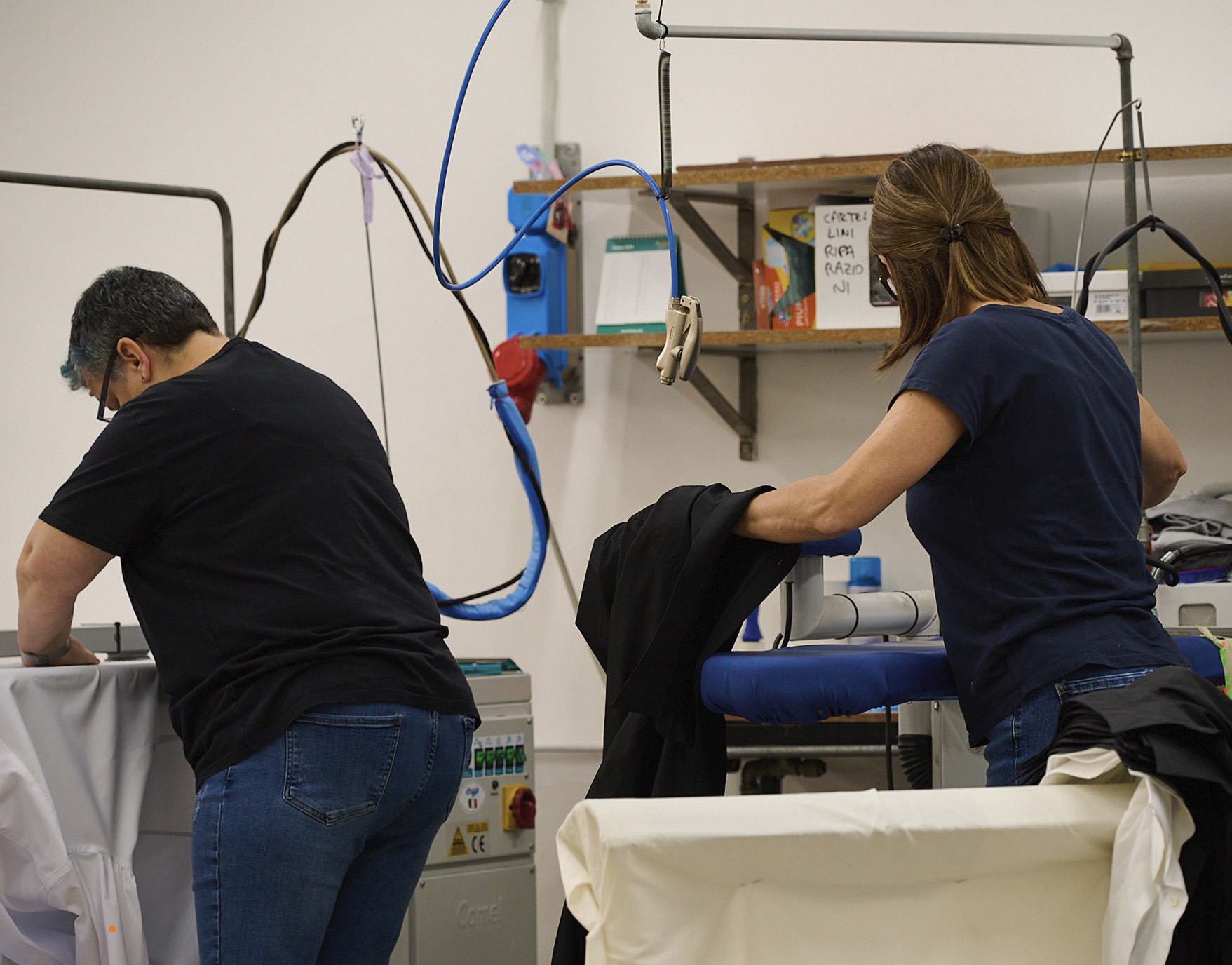
It is the result of a structured supply chain that begins with fabric selection and ends with final construction.The bespoke shirt and sartorial production remain central even within advanced industrial processes. In our sartorial laboratory, each shirt is developed through a constant dialogue between technical precision and sensibility.

Made in Italy continues to stand out for its ability to integrate craftsmanship quality, control and production flexibility.

Sustainability and Craftsmanship

In recent years, the men’s shirt has also become a symbol of a more conscious approach to fashion. A well-constructed shirt lasts longer, retains its shape and reduces the need for replacement.

Within our production process, every stage is designed to minimize errors and waste. Craftsmanship thus becomes a concrete response to the demands of contemporary fashion.

Sartorial Details That Make the Difference

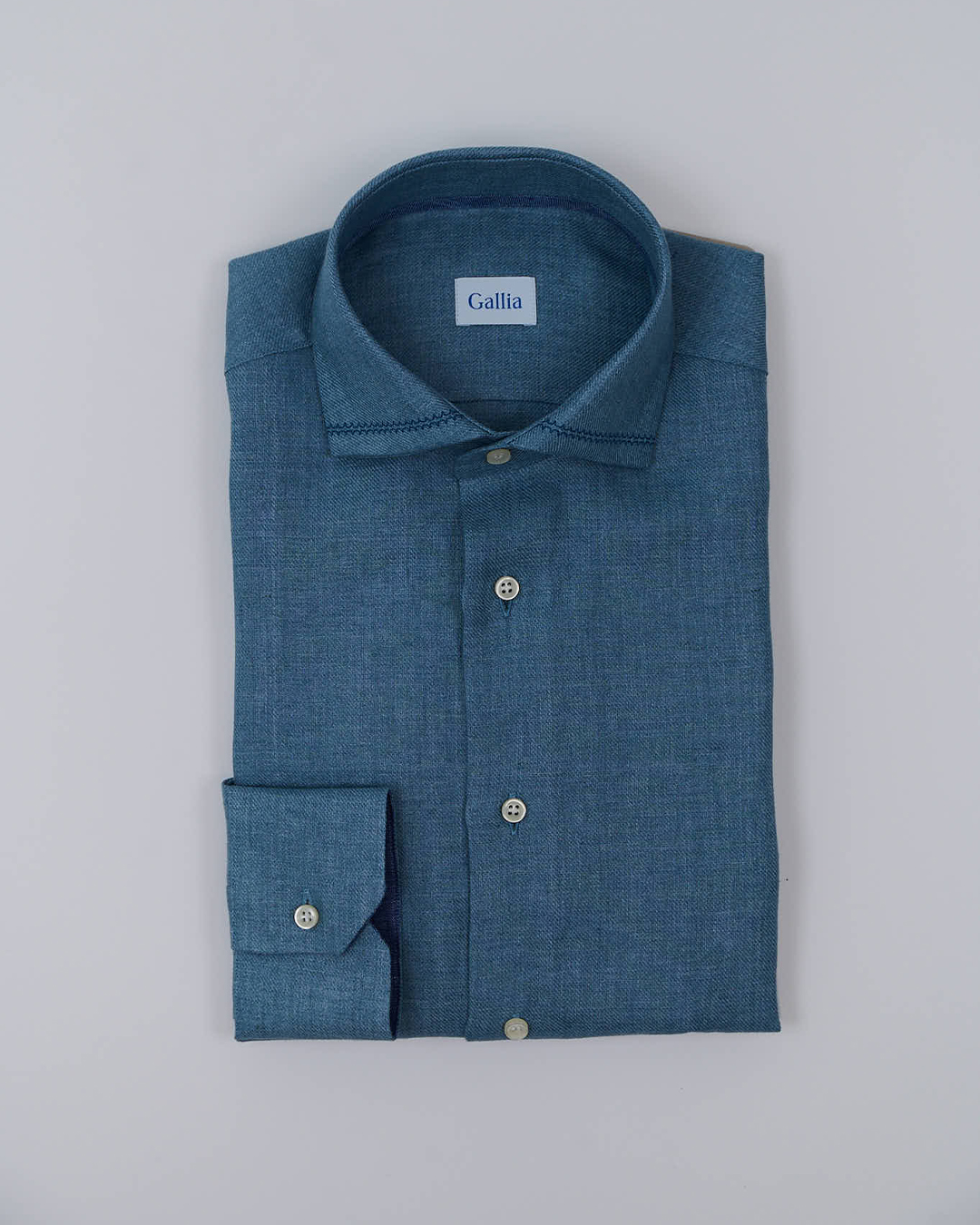
When discussing craftsmanship quality, it is often the less visible details that define the true value of a shirt. Stitching, balanced proportions, internal cleanliness and finishing precision directly influence fit, durability and perceived quality over time.

A well-made shirt is recognized by elements that do not seek attention but work quietly. Stitching is consistent and regular throughout the garment, without tension or irregularities. Stitch density is calibrated according to the fabric, ensuring strength without stiffness. Even panel alignment, often underestimated, contributes significantly to the overall harmony of the shirt.

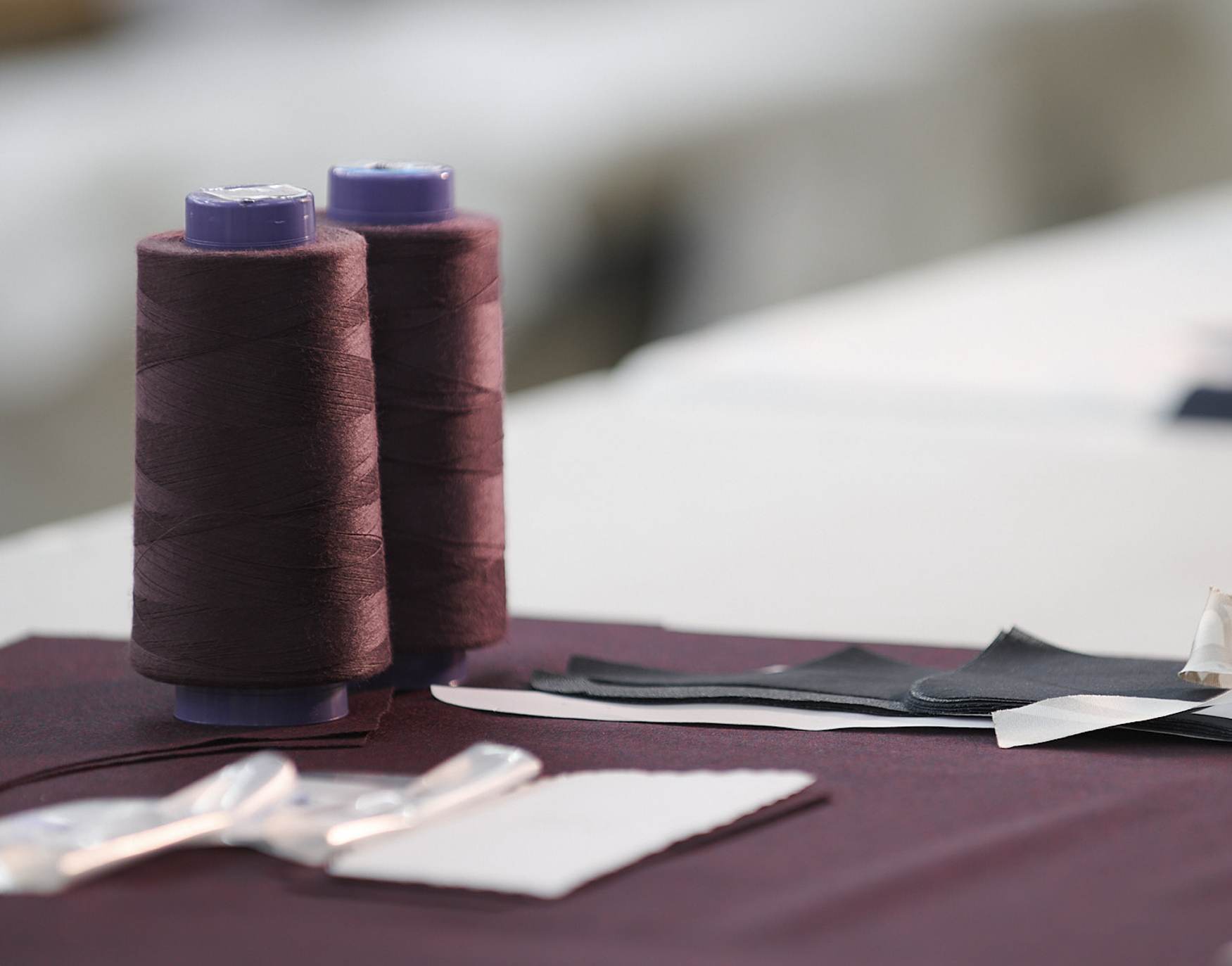
Sartorial finishes represent another crucial element. Collars and cuffs must retain their shape over time, accompany movement and withstand repeated washing without distortion. The inside of the garment, invisible to the wearer, reveals much about the quality of workmanship: clean topstitching, tidy seam allowances and no excess material. These are the details that distinguish a correct shirt from a truly well-made one.

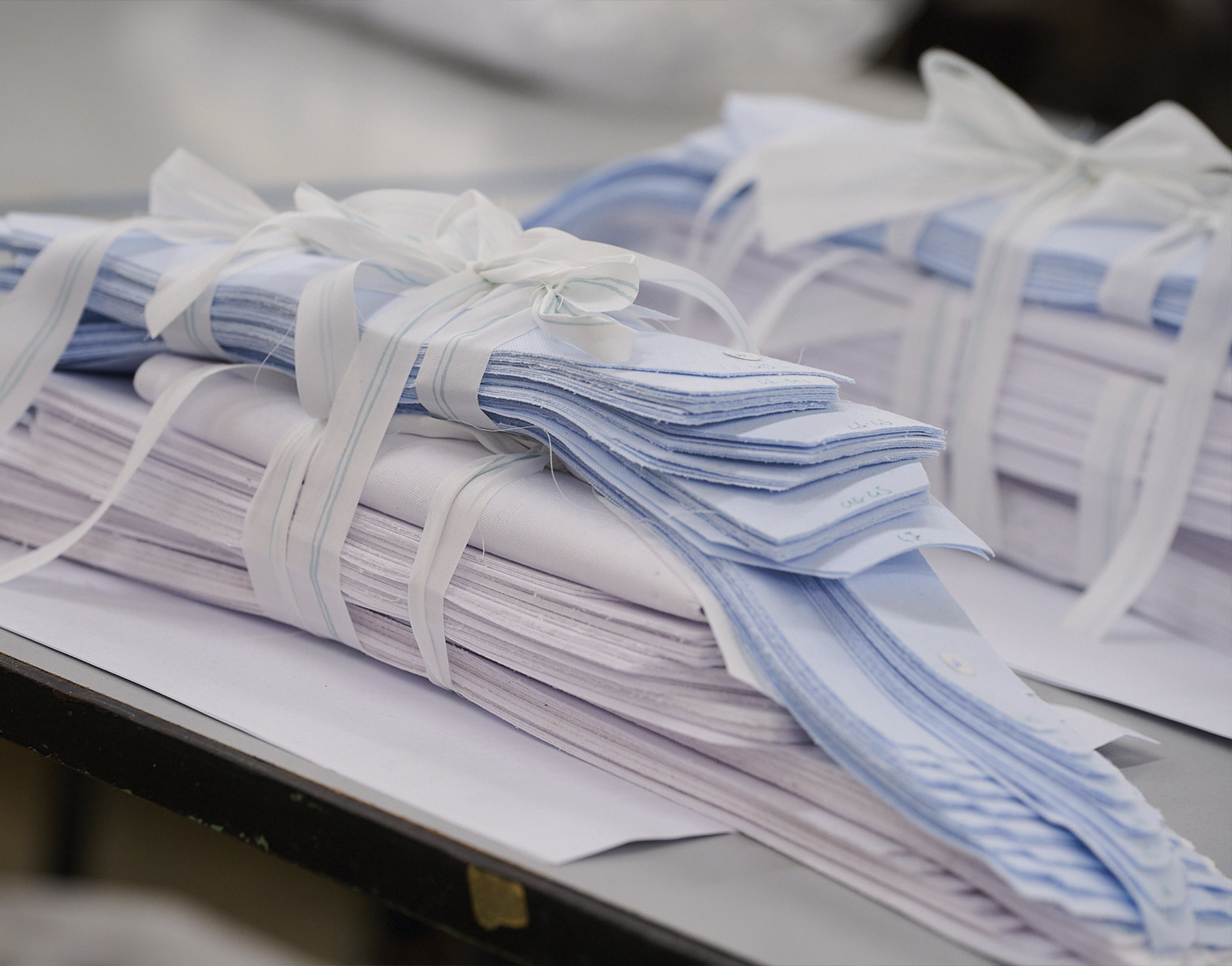
In sartorial production, attention to detail is never left to chance but is embedded in a precise method. Each phase is designed to support the structure of the garment and ensure consistent quality, even across more complex production runs. This approach makes it possible to maintain high standards over time, reducing defects, rework and waste.

It is in the management of these details that manufacturing expertise becomes a tangible value, especially in third-party shirt production, where respect for brand identity depends on product consistency season after season. Sartorial quality is never an isolated gesture, but the result of deliberate, repeated and carefully executed decisions.

Gallia Third-Party Shirt Manufacturing

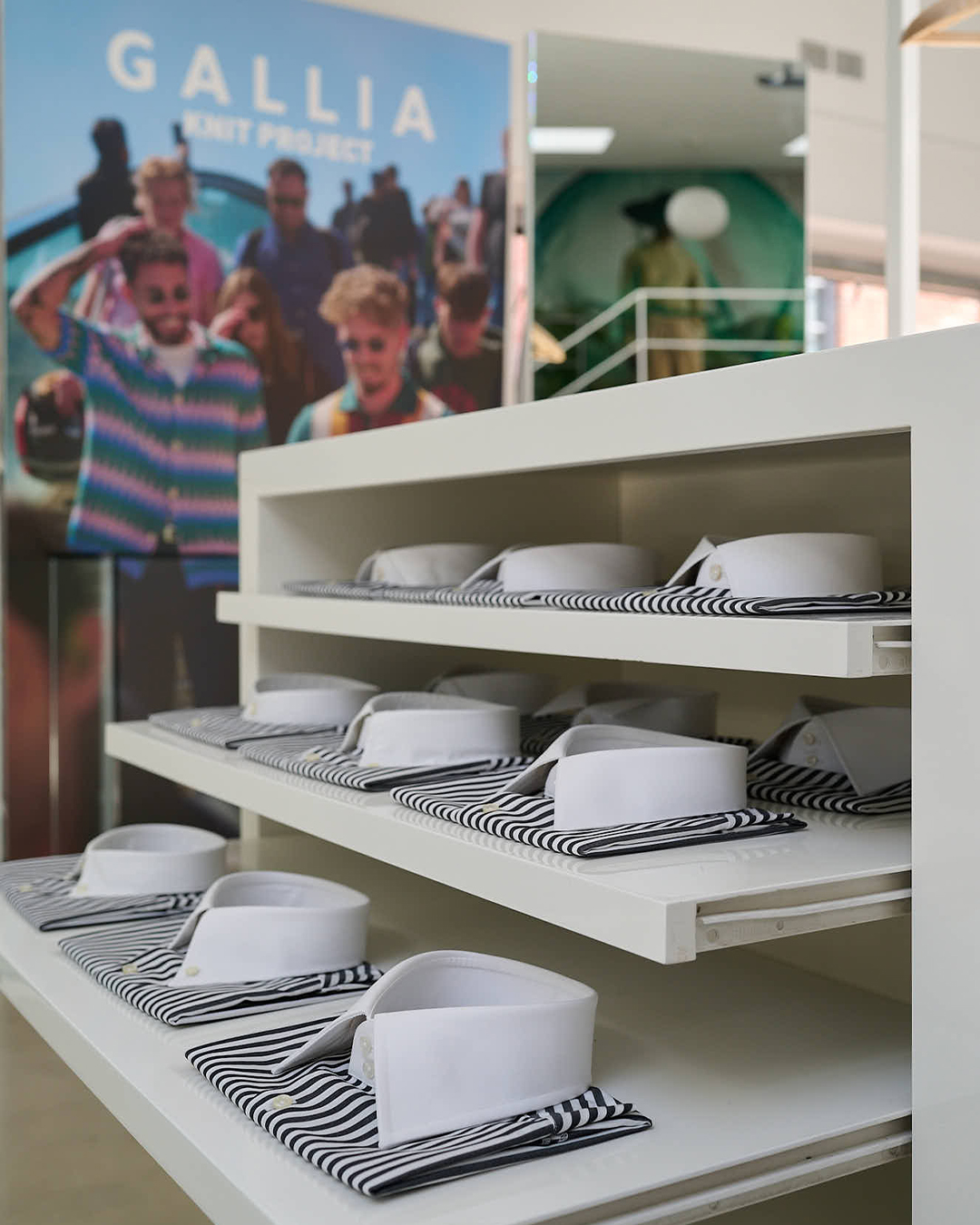
The men’s shirt today finds one of its most mature expressions in third-party shirt manufacturing. Confezioni Gallia operates as a production partner for brands seeking reliability, continuity and vision.

Our sartorial production supports diverse collections, translating identity and style into coherent and controlled processes.

After more than two thousand years, the men’s shirt continues to evolve. It does so through a manufacturing culture that still believes in the value of well-executed work, sartorial precision and a craftsmanship quality capable of looking toward the future.