Circular Fashion: A Guide to Sustainable Manufacturing
In a sector still dominated by linear logic, Circular Fashion represents one of the most urgent and compelling challenges in contemporary fashion. It is not merely a trend, but a concrete response to the need to rethink how we live and produce — acknowledging that every shade of the word “sustainability” is necessarily part of our shared future.
Today, adopting a circular approach to third-party fashion manufacturing means looking beyond a single collection. It means redesigning every stage of the production cycle with deep attention to sustainability, intelligent resource use, and extending the lifespan of each garment.
This is a mindset that the Italian industrial and artisanal fabric has long sought to preserve — a sensibility that now places it at the forefront of this shift, or perhaps more accurately, this return to the purity and common sense of our origins.
Put more pragmatically: in fashion today, the priority is no longer to spend less, but to spend better. A significant shift driven by increasingly informed, conscious consumers — fortunately.
Circular Economy vs. Linear Economy
Traditionally, the fashion industry has followed a linear economic model: garments are produced, sold, worn (briefly), and discarded quickly. This system underpins fast fashion and has created severe environmental and social impacts.
The circular economy, instead, proposes a regenerative model. Materials are not treated as disposable but as resources to be preserved, ideally approaching an “almost never-ending” lifecycle. Products are designed to last, to be repaired, recycled, or reinterpreted — much like our grandmothers used to do in the clearest memories of our childhood.
The Circular Model: Regenerate — Reuse — Recycle
At the heart of Circular Fashion lie three pillars, which we can playfully summarise as “The Three Rs of Contemporary Fashion”:
Regenerate: designing production cycles that give back value to territories, people, and ecosystems. This includes low-impact materials, clean-energy industrial processes, and ethical working conditions.
Reuse: extending the lifespan of garments through quality, repairability, and timeless design.
Recycle: developing products that can be disassembled and reintegrated into the production cycle without losing value or performance.
Principles of Circular Design
Circular design goes far beyond the creative phase; it defines the entire product lifecycle. For an organisation like ours, understanding this approach is essential to supporting partners efficiently and delivering products that meet the expectations of even the most demanding consumers.
Here are the five key principles:
Durability: garments must stand the test of time, both aesthetically and structurally. This is why we work with high-quality materials and sartorial constructions that keep each piece solid and beautiful for years.
Disassembly: designing garments that can be easily separated into components (buttons, labels, linings), making recycling or repair possible. It may seem like a marginal detail, but it is truly essential when working with the most sophisticated clientele.
Material selection: prioritising natural, certified, recycled, or regenerable fibres while avoiding complex blends that are difficult to separate.
Zero waste: optimising cutting layouts, reusing offcuts, and rethinking packaging. Every detail can become a resource. This is, for us, a healthy return to our origins — when our founders made precise cutting and minimal waste an identity-defining strength.
Versatility: creating adaptable, transformable garments that can be worn in multiple ways and occasions, encouraging a longer lifespan.
You can learn more about our approach in the section dedicated to our sartorial workshop.
How to Implement a Circular Economy Strategy
Putting Circular Fashion principles into practice requires a shift in perspective — one that, as mentioned, essentially validates the approach we have always valued. Here are some concrete actions:
Collaborate with local, certified suppliers who ensure traceability and sustainability of raw materials.
Engage the entire supply chain — from prototyping to logistics — in a culture of continuous improvement and ethical production.
Invest in technical design to create garments that last, can be repaired, and adapt over time.
Use technologies that reduce waste and monitor performance, such as CAD software for optimised cutting or digital traceability systems.
Set up end-of-life solutions like recycling programs, reselling, or upcycling initiatives.
To learn more about our production process, we invite you to visit the dedicated page, where we summarised the key elements of our work.
Examples of Circular Economy Business Models
More and more brands are redefining their business model with a circular perspective. Some examples include:
On-demand production: no overstock, flexible manufacturing based only on orders or pre-orders.
Repair and garment-care services: extending lifespan while building customer loyalty. For international maisons, this service requires a structured approach — but it is absolutely feasible.
Take-back and recycling programs: brands guide consumers in managing end-of-life garments.
Rental or re-sale: new forms of consumption that reduce environmental impact and extend product use. These models touch our reality more indirectly — they lie in consumers’ hands — but they are increasingly influential, especially among younger generations.
Circular capsule collections: experimental collections made with certified materials, zero plastic, and compostable packaging.
You can find more insights on these topics throughout our blog.
Confezioni Gallia: Circular Economy Through Third-Party Manufacturing
At Confezioni Gallia, Circular Fashion is not just an objective — it is a method. We produce for brands committed to making a difference by integrating design, sustainability, and sartorial quality in every garment.
How we do it:
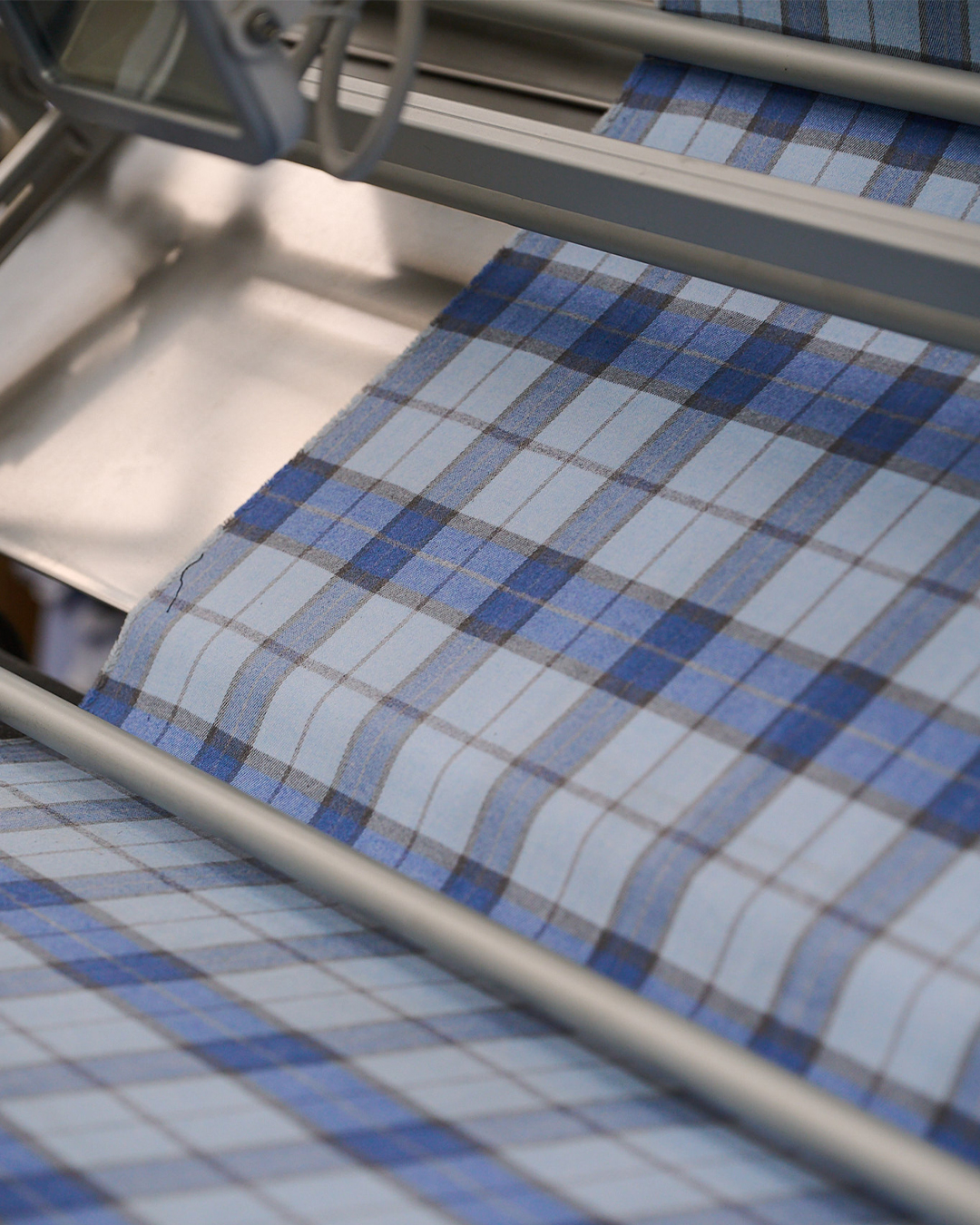
Sustainable materials: we select Italian suppliers with recognised European and international environmental certifications and a genuine, ongoing commitment to responsible practices.
Production optimisation: we reduce waste, manage workflow peaks with flexibility, and design collections that help avoid overproduction.
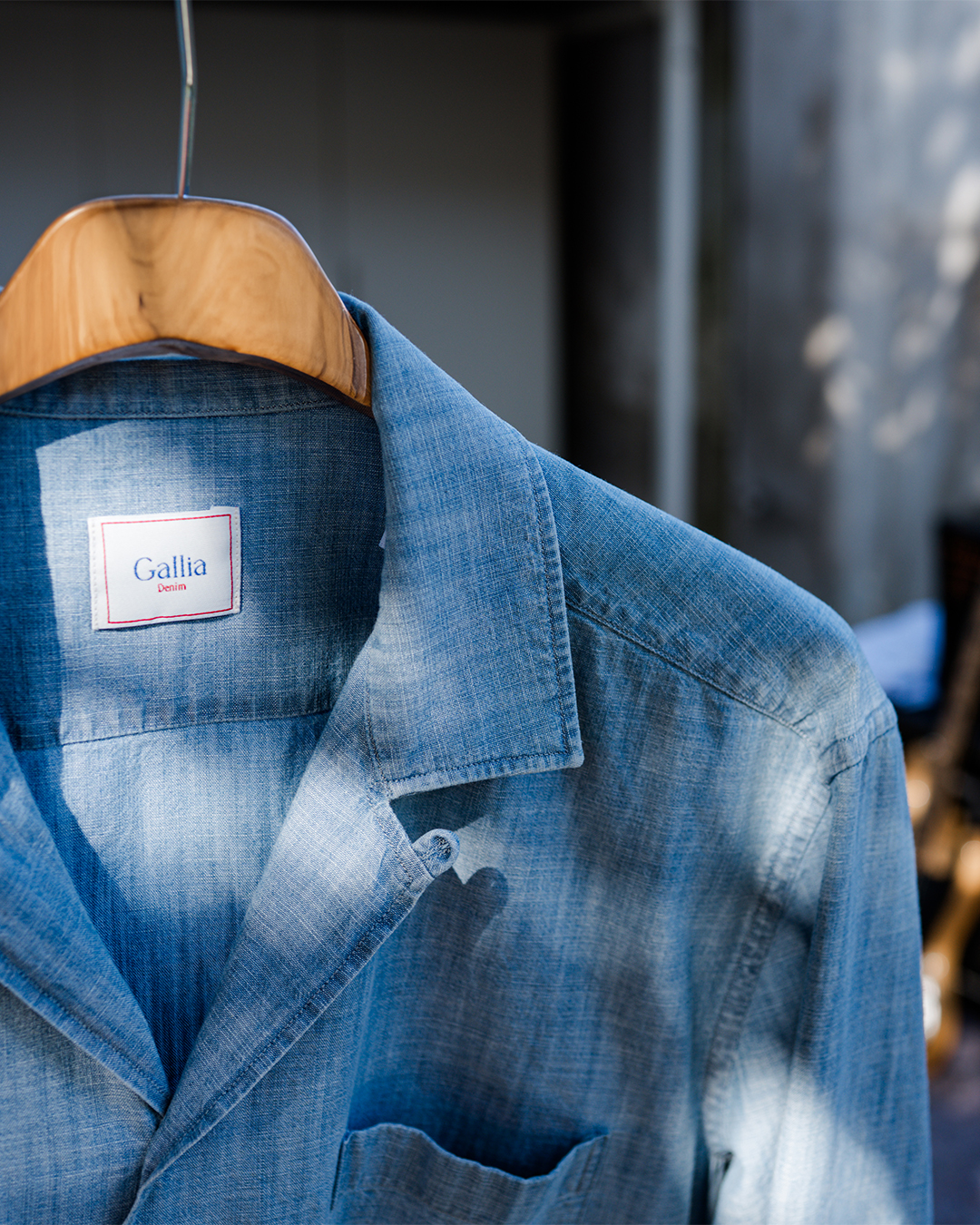
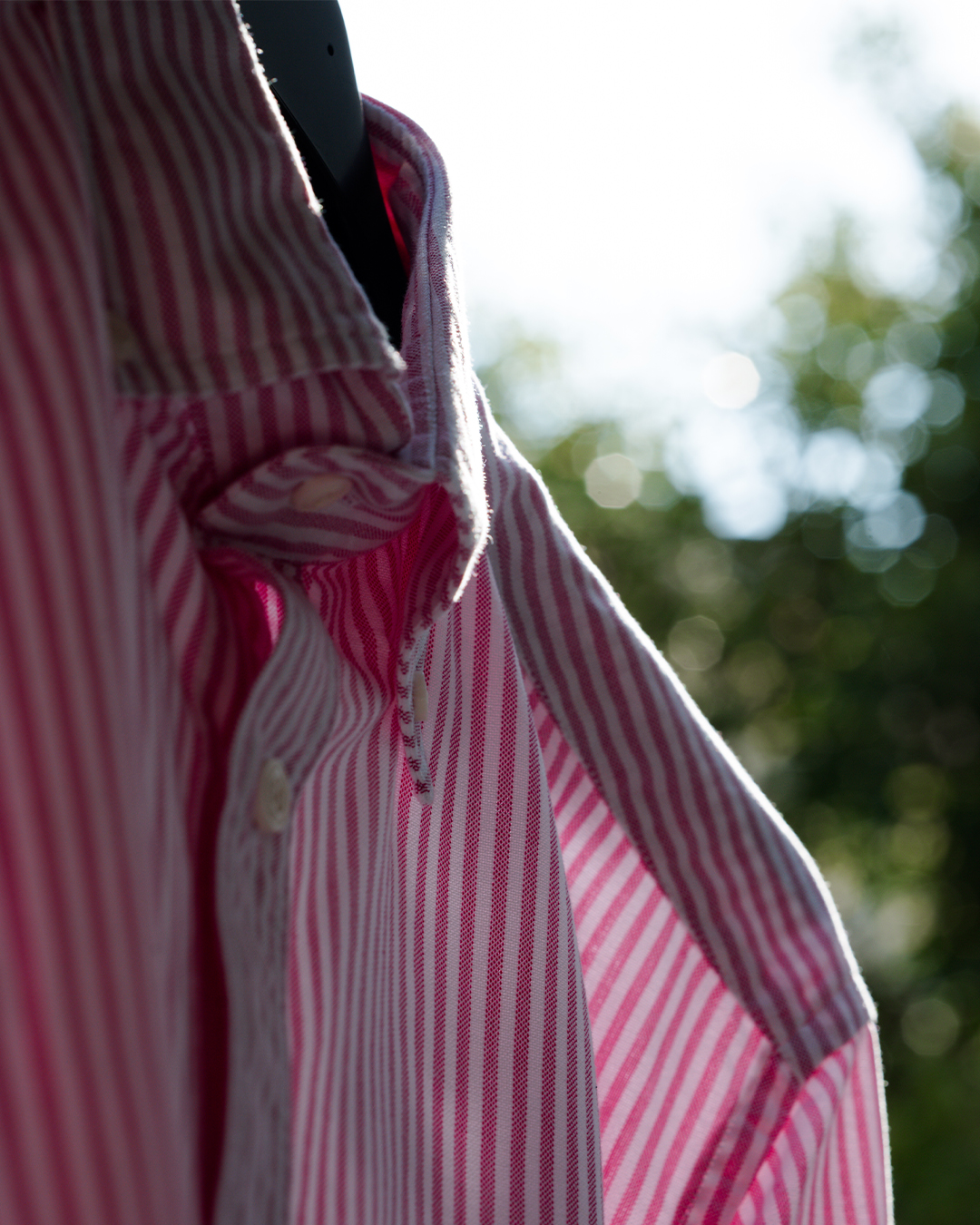
Made-in-Italy sartorial quality: every shirt, jacket, and garment produced in our workshop is built to last, with sartorial construction, invisible stitching, and hand-crafted details.
Traceability and transparency: every client has complete access to the process — from pattern-making to final delivery. Because trust is built this way too.
Would you like to know more? Explore our sartorial production and discover how we create high-quality garments also for brands committed to sustainability.