

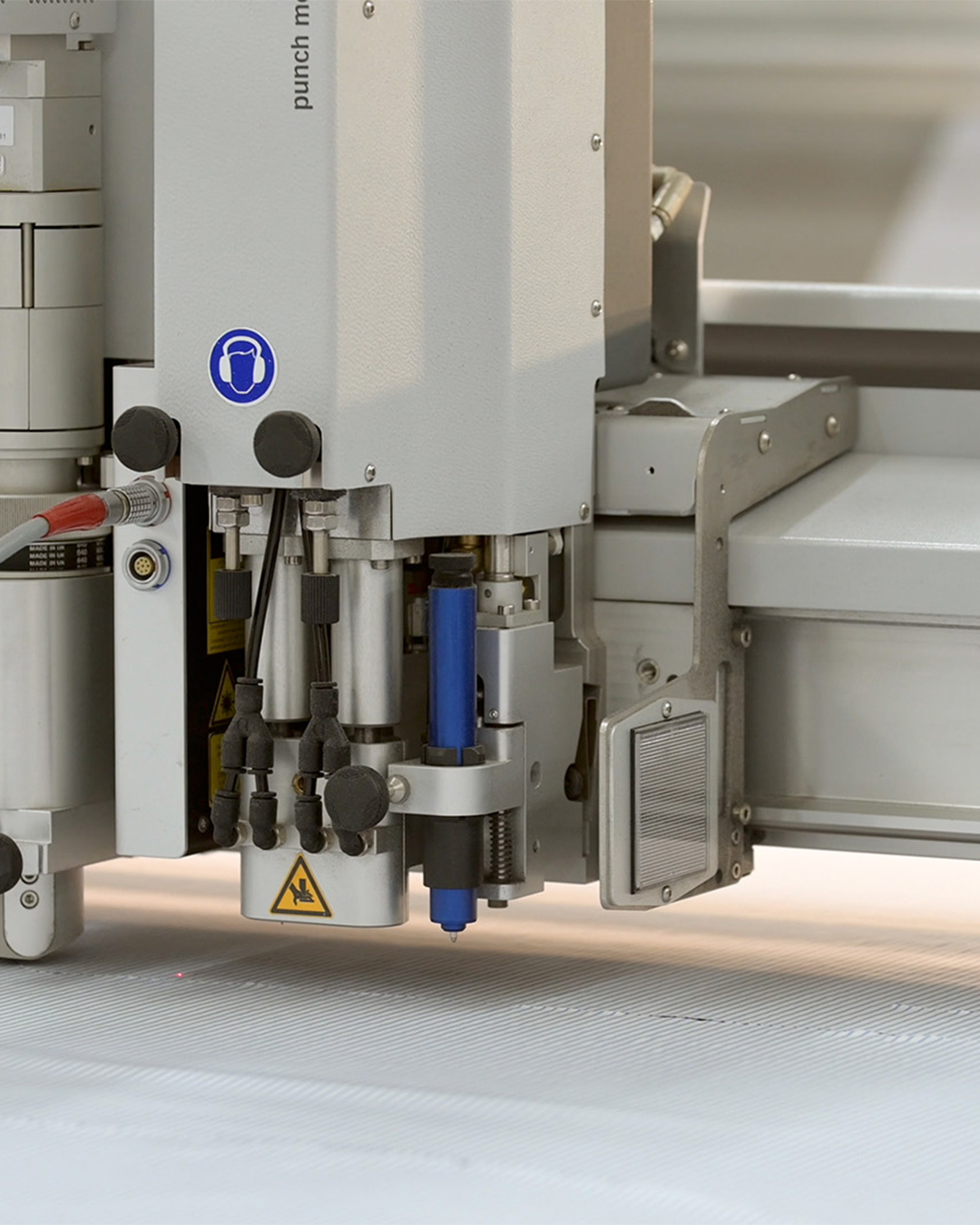
Behind the Scenes at Milan Fashion Week: The Value of Italian Fashion Manufacturing
When a collection appears at Milan Fashion Week, the audience sees only a few minutes on the runway.
Behind those few minutes, however, lie months of research, design, testing and production. Every garment reflects the work of designers, pattern makers, technicians, craftspeople and manufacturing partners who have transformed a creative idea into a product ready for the market.
Most of this process remains invisible, yet it forms the true foundation of high-end fashion.
The quality of a collection does not come from the designer’s creativity alone. It also depends on the ability of the entire supply chain to translate that vision into a coherent, repeatable product designed to last.
This is where Italian fashion manufacturing continues to represent one of the key strengths of Made in Italy fashion.
Technical expertise, sartorial culture and the ability to combine craftsmanship with industrial organisation allow international fashion houses to develop complex collections while maintaining demanding quality standards.
Behind every successful runway show lies an extraordinary body of knowledge that rarely appears under the spotlight, yet makes the excellence of Italian fashion possible.
Behind Every Runway Show Are Months of Work
A runway show is the final stage of a much longer journey.
Before a collection reaches Milan Fashion Week, every garment passes through numerous development stages involving creativity, technical expertise and manufacturing.
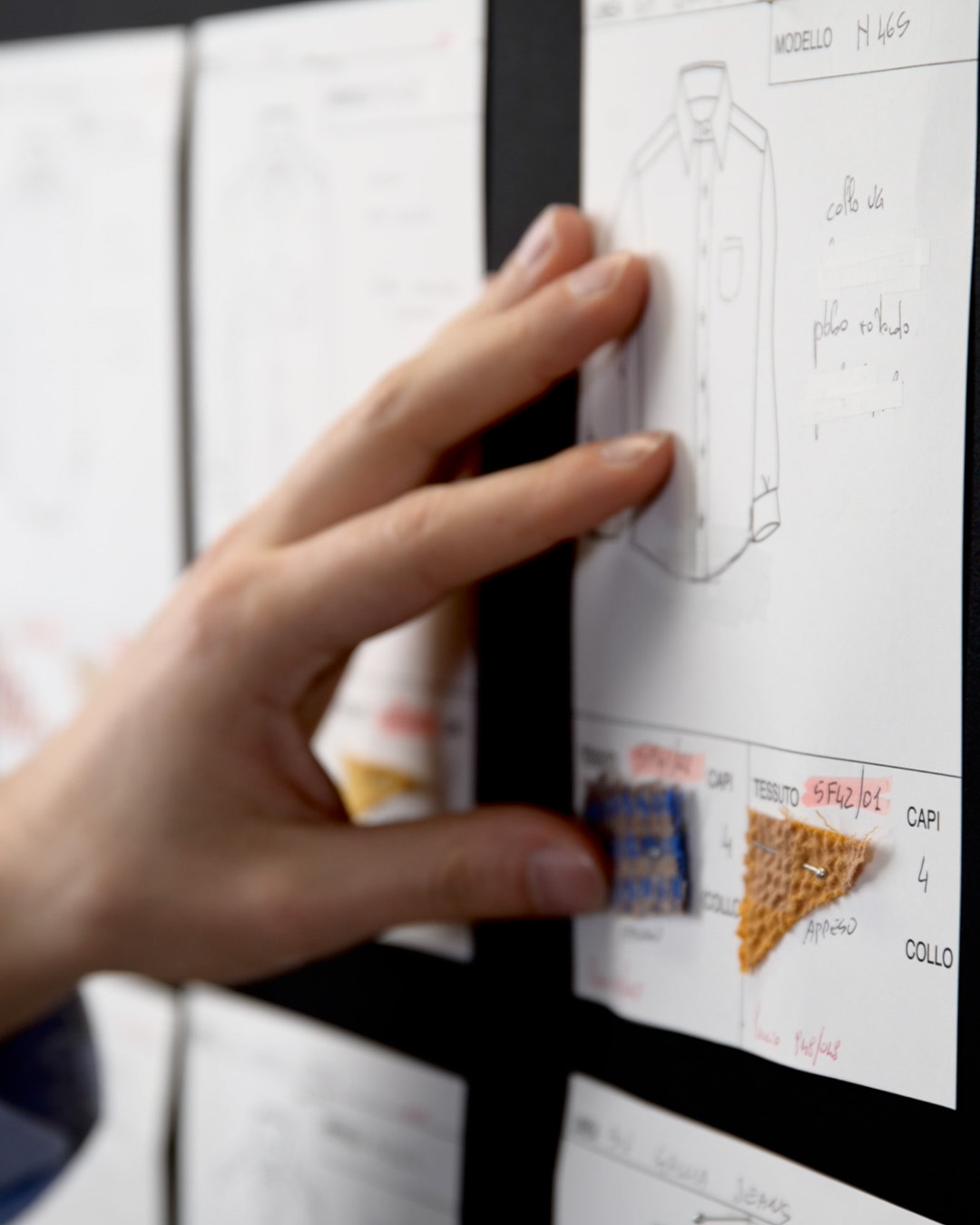
The creative concept is gradually transformed into a tangible product through pattern making, material research, fitting, prototyping and continuous testing.
Every adjustment is assessed to ensure that the finished garment respects the fashion house’s identity without compromising manufacturing feasibility.
For those working in high-end garment production, the runway is not the beginning of the process.
It is its conclusion.
Every detail visible during a show is the result of hundreds of technical decisions made during the preceding months.
This invisible work requires close coordination between design departments, pattern makers and manufacturing partners.
It is precisely this collaboration that allows a creative concept to become a collection ready for industrialisation without losing either quality or consistency.
Pattern Making, Prototyping and Sampling: Where a Collection Really Begins
Before a garment can be manufactured, it has to be understood, interpreted and tested.
This is why pattern making, fashion prototyping and garment sampling are among the most strategic stages of the entire product development process.
Pattern making translates the designer’s creative language into a system of proportions, measurements and technical constructions.
The prototype then makes it possible to assess fit, balance, fabric behaviour and construction quality.
Every sample represents a point of dialogue between creativity and manufacturing reality.
Small adjustments made at this stage can significantly improve the final result and prevent issues that would become far more difficult to manage once full production begins.
It is through sampling and pattern making that a project gains technical solidity, giving the fashion house greater confidence as it moves into the subsequent stages of production.
In luxury, sampling is not merely a technical check.
It is where quality begins to take physical form.
Why Fashion Houses Continue to Choose Italian Manufacturing
International fashion houses do not choose Italian manufacturing solely because of history or reputation.
They continue to choose it because Italy remains one of the few manufacturing ecosystems capable of combining artisanal expertise, technical innovation and industrial reliability.
The ability to interpret a complex project, adapt to the requirements of the brand and maintain consistent quality standards represents a competitive advantage that is difficult to replicate.
Within high-end fashion, the manufacturer is no longer simply an executor.
It becomes a technical counterpart involved in the development of the collection: identifying construction solutions, proposing improvements and anticipating potential production issues.
This relationship of trust is what separates a one-off supplier relationship from a long-term manufacturing partnership.
The strength of Made in Italy fashion lies precisely in the quality of its people, skills and manufacturing culture — expertise that accompanies every project.

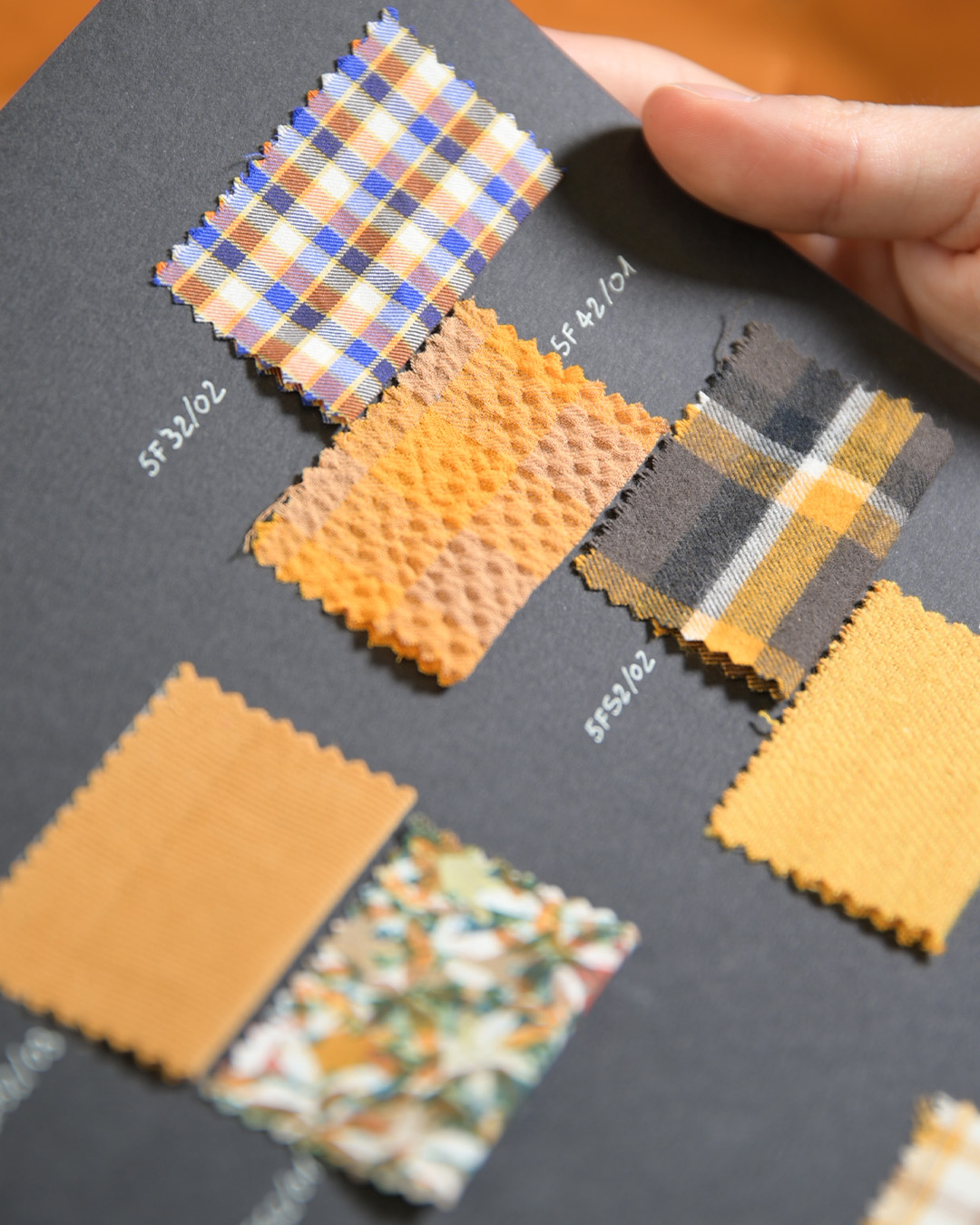
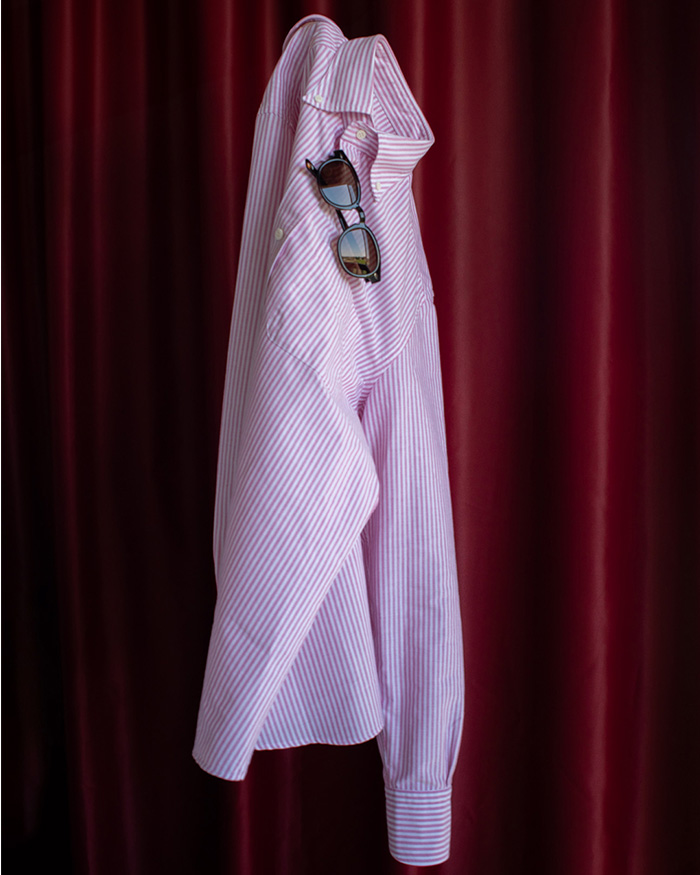
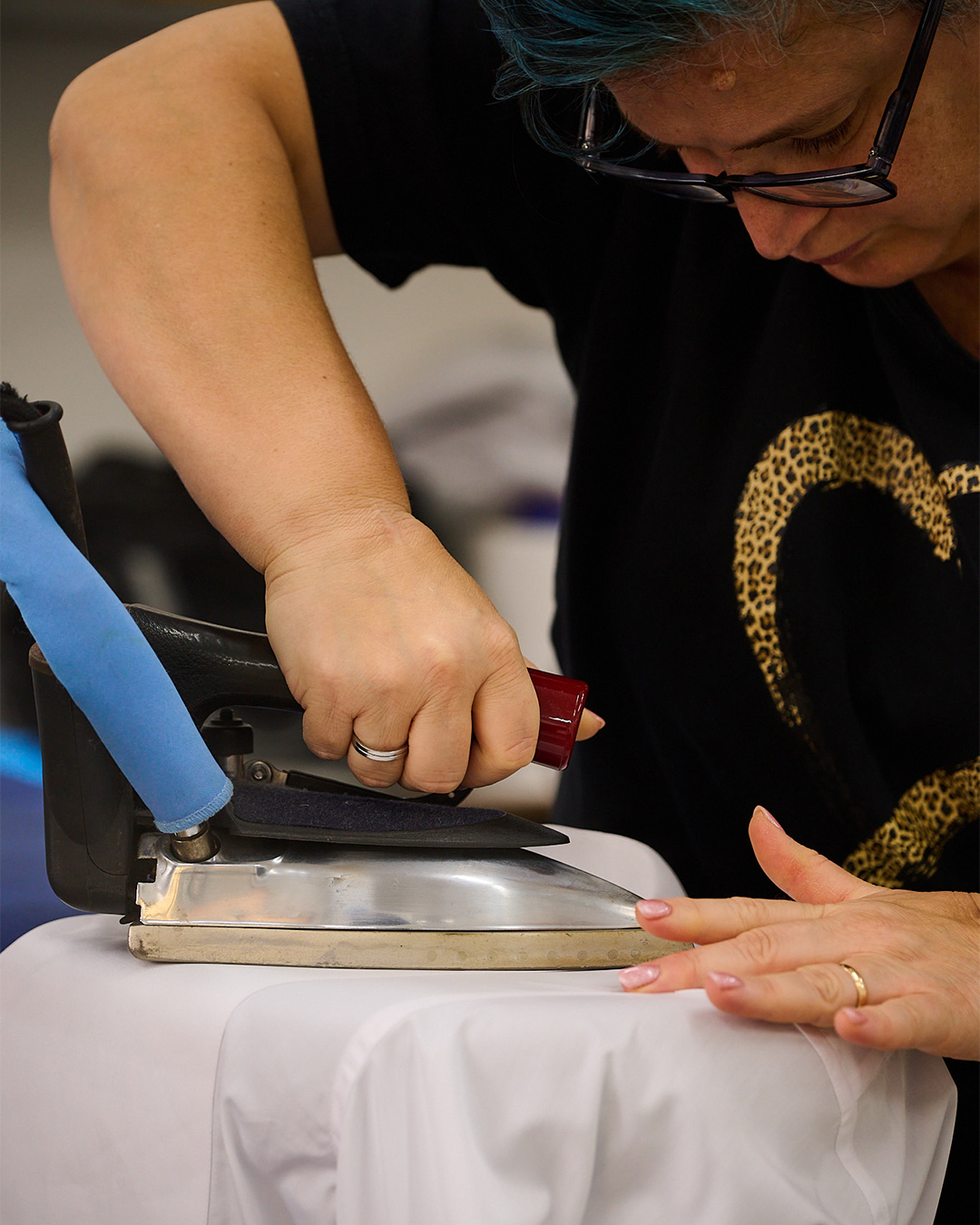
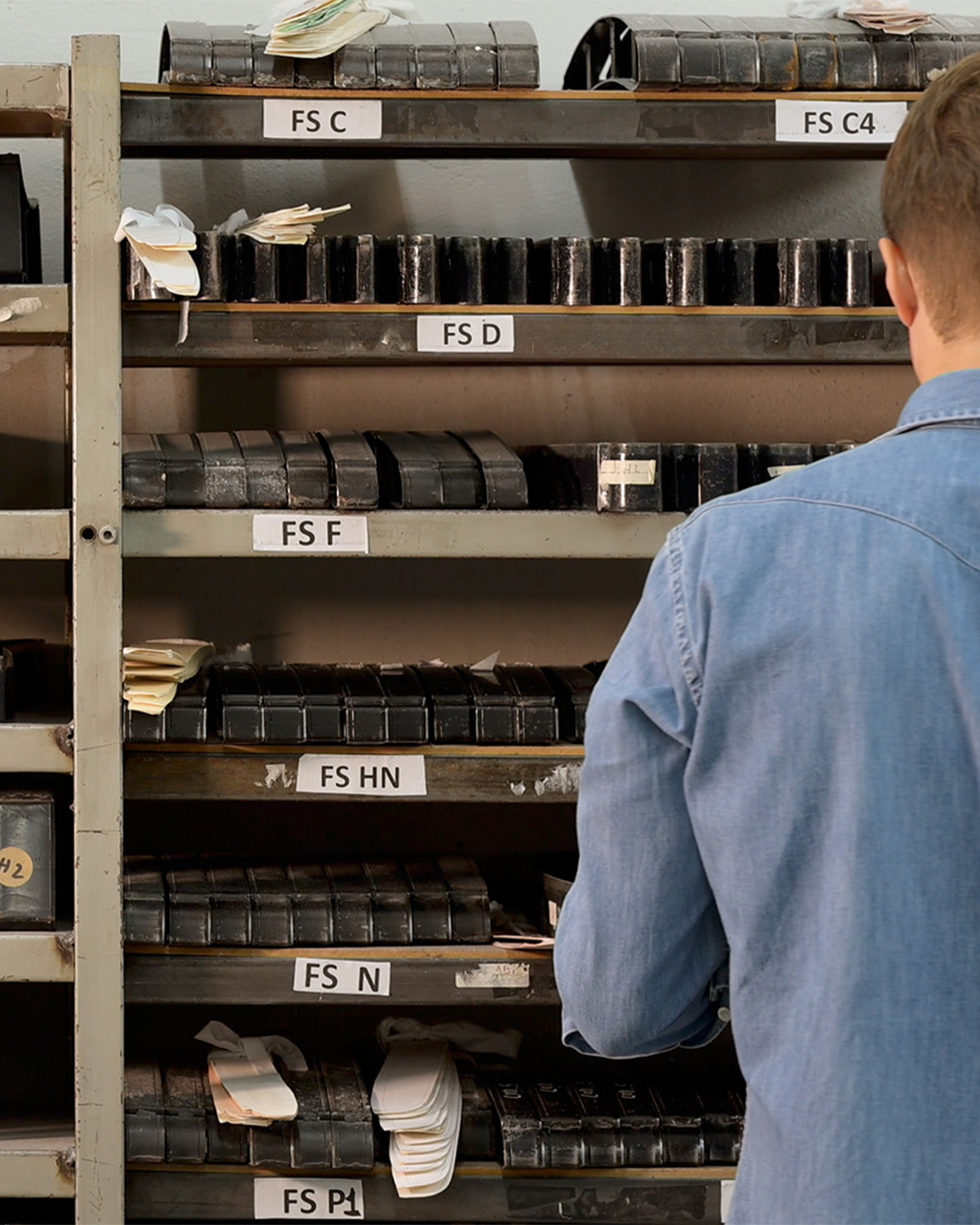
When Craftsmanship and Production Efficiency Work Together
For many years, craftsmanship and industrial manufacturing were treated as opposing concepts.
In luxury production, they are increasingly understood as complementary dimensions.
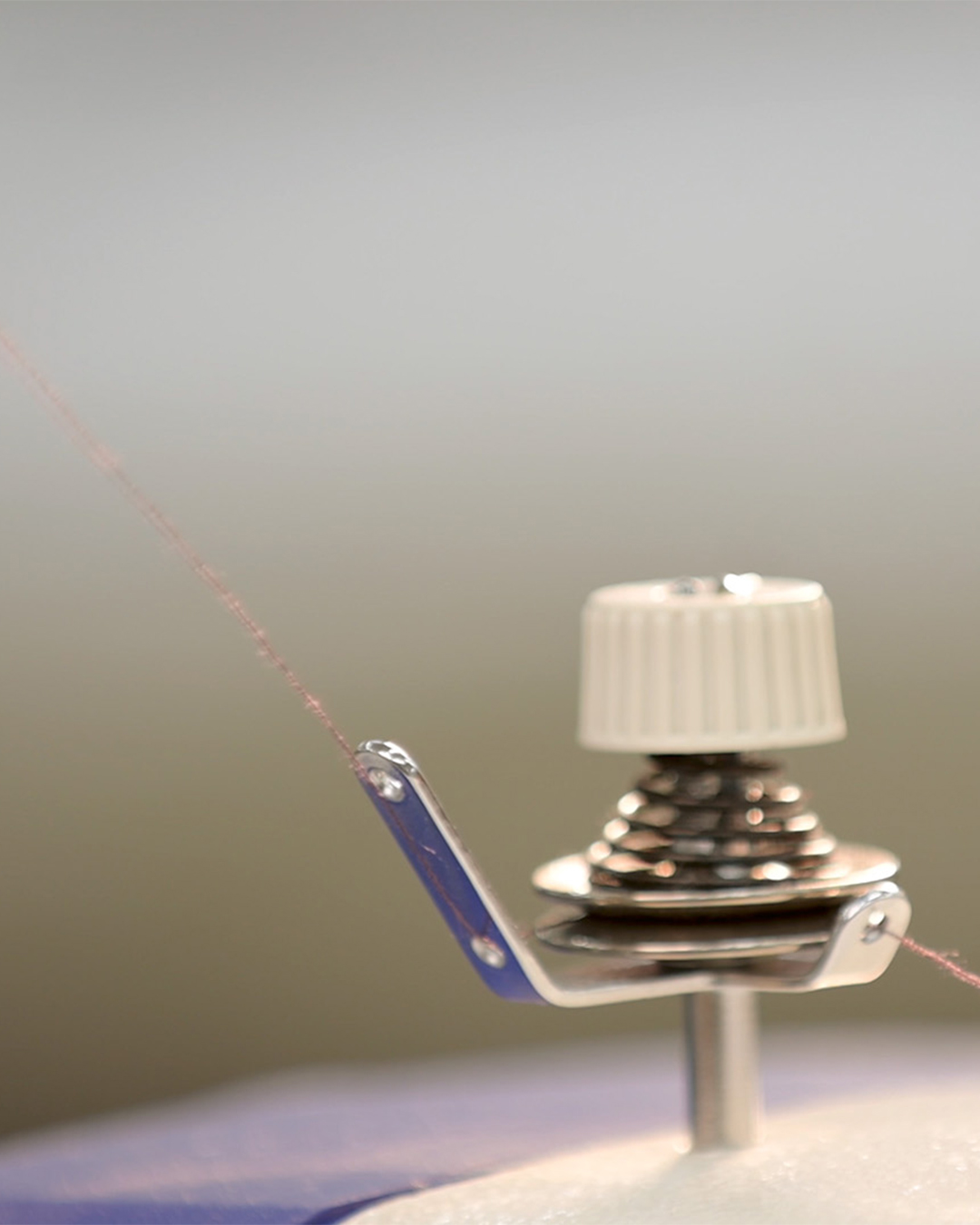
Craftsmanship provides precision, sensitivity to materials and close attention to detail.
Industrial organisation provides continuity, control and reliability even when working with structured production volumes.
This balance makes it possible to manage increasingly complex collections without compromising construction quality.
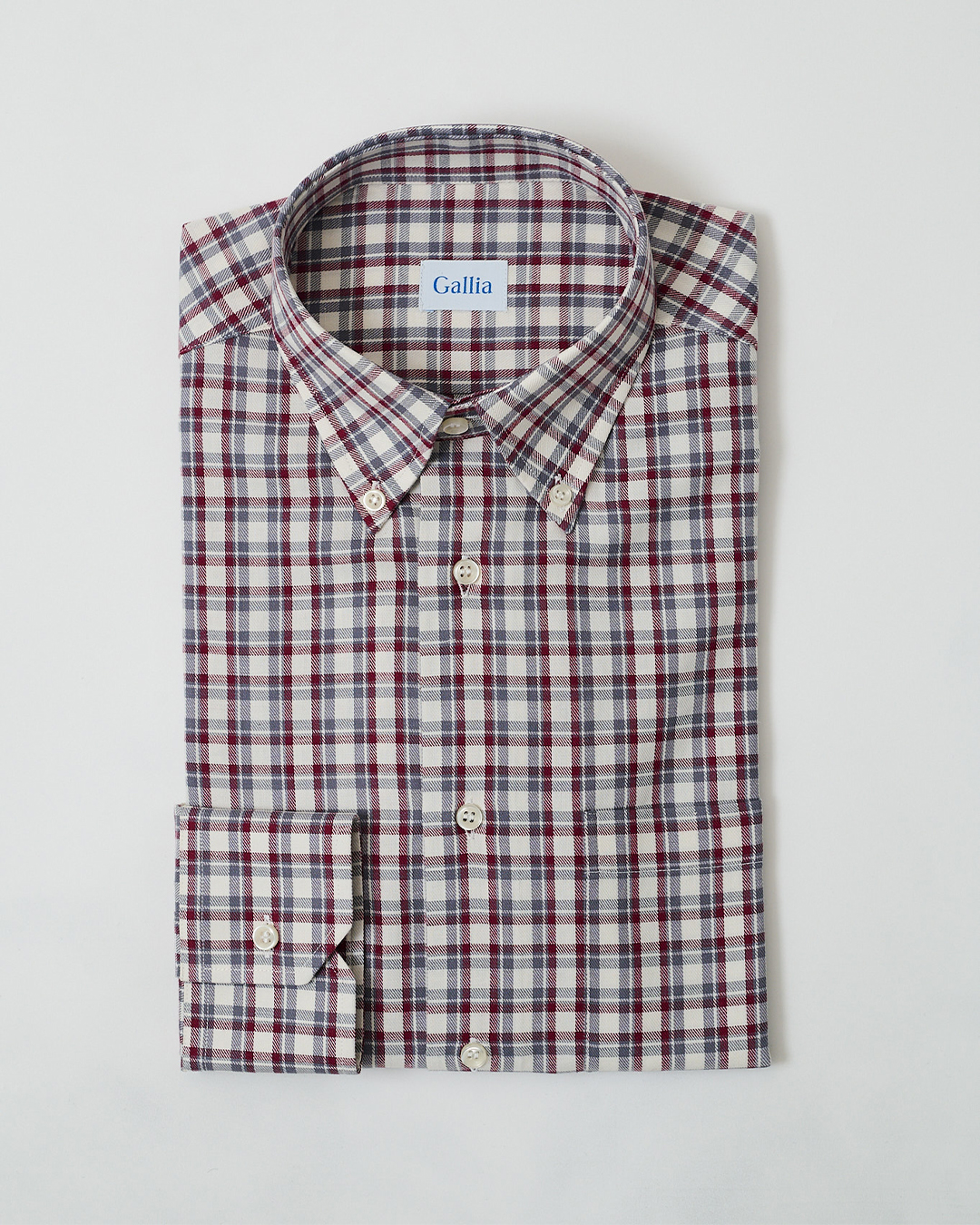
Through an organised luxury garment manufacturing process, fashion houses can develop sophisticated garments while maintaining consistency between prototype and final production, optimising time and resources without compromising the outcome.
Manufacturing excellence comes precisely from the ability to integrate industrial methodology and sartorial culture within the same production process.
In Luxury, Quality Is Also a Matter of Trust
When a fashion house entrusts a collection to a manufacturing partner, it is sharing far more than a product specification.
It is sharing confidential information, creative know-how and part of its own identity.
For this reason, confidentiality, reliability and quality control are essential requirements in luxury contract manufacturing.
Every stage needs to be managed according to rigorous procedures capable of protecting information, ensuring process traceability and maintaining consistent quality.
Trust is built through concrete actions: respecting deadlines, communicating transparently, applying systematic quality control and accepting shared responsibility for the project.
Respect for ethical principles has also become an increasingly important factor when selecting a manufacturing partner.
Confezioni Gallia therefore operates according to a clearly defined Code of Ethics, which guides its relationships with clients, employees, collaborators and suppliers.
In luxury, reputation is built before the product itself.
Made in Italy Is a Process, Not a Label
Made in Italy is often associated primarily with the place where a garment is produced.
In reality, it represents much more.
Being Made in Italy means belonging to a supply chain that combines specialist skills, manufacturing culture, material research and the ability to innovate while maintaining demanding quality standards.
Value does not suddenly appear when the final label is attached to a garment.
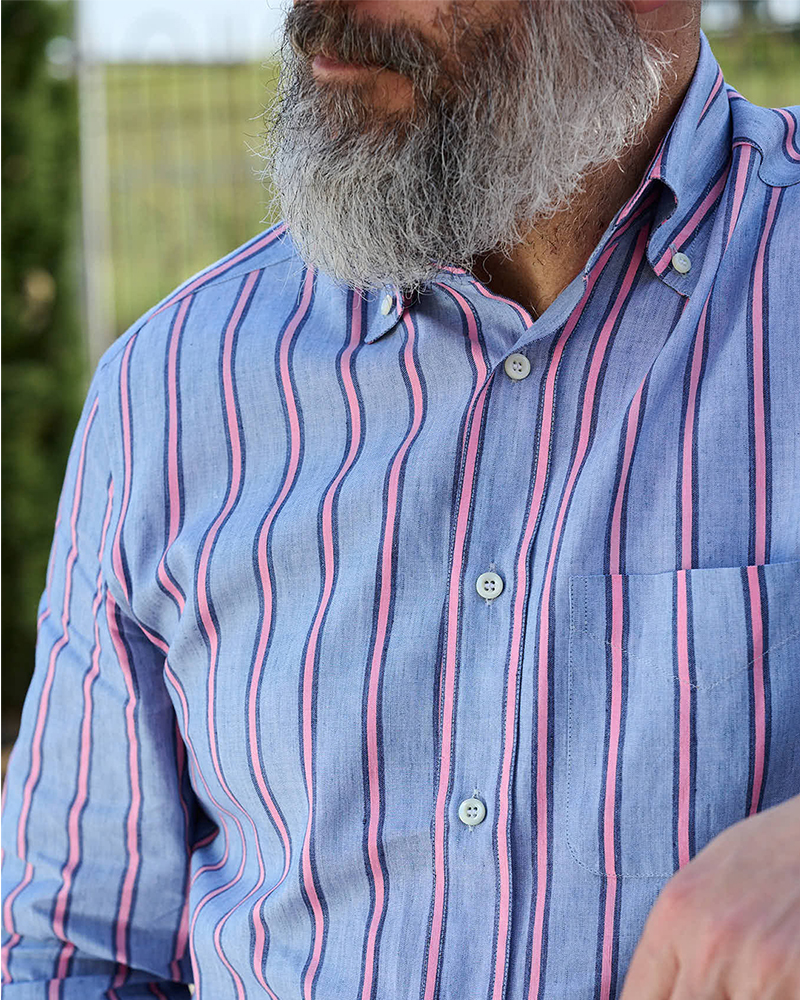
It begins much earlier, through every design and manufacturing decision: from pattern making to fabric selection, from prototyping through to quality control.
This continuity between creativity and production is what makes Italian manufacturing an international reference point for the fashion industry.
Fashion houses are not simply looking for a country in which to manufacture.
They are looking for a production system capable of understanding their creative language and transforming it into a product that remains consistent with the positioning of the brand.
Made in Italy continues to stand apart because it is still able to place technical expertise, a culture of detail and manufacturing responsibility at the service of creativity.
Confezioni Gallia: Over Sixty Years Alongside Fashion Houses
For more than sixty years, Confezioni Gallia has supported international brands and fashion houses in the development of high-end collections, bringing to each project a body of expertise built through thousands of garments and the continuous evolution of its manufacturing methods.
Our role is not simply to produce.
It is to take part in the development of the product, working with the client from the earliest stages of pattern making, prototyping and industrialisation.
Every collection is approached as a shared journey in which craftsmanship, industrial organisation and continuous dialogue transform a creative idea into a stable and reliable production process.
For us, Italian fashion manufacturing is neither an abstract concept nor simply a communication message.
It is a way of working expressed through expertise, precision, responsibility and the ability to build lasting relationships with brands.
Because a runway show lasts only a few minutes.
The quality that makes those few minutes possible is the result of months of work, experience and collaboration.
And it is precisely within that daily work — so often invisible to the public — that the true value of Italian manufacturing continues to live.